Biophilic design is built on a straightforward idea: people feel better when their surroundings reflect the natural world. For homeowners in the Richmond and Chesterfield area, that connection to nature is already close at hand — Virginia's landscape, light, and seasons offer a ready source of inspiration. The challenge is translating that inspiration into the structure of your home.
This article walks through the core elements of biophilic design and how to apply them practically during a renovation. Whether you're updating a single room or planning a whole-home remodel, these principles can meaningfully improve how your space feels to live in day after day.
Natural Light as a Foundation
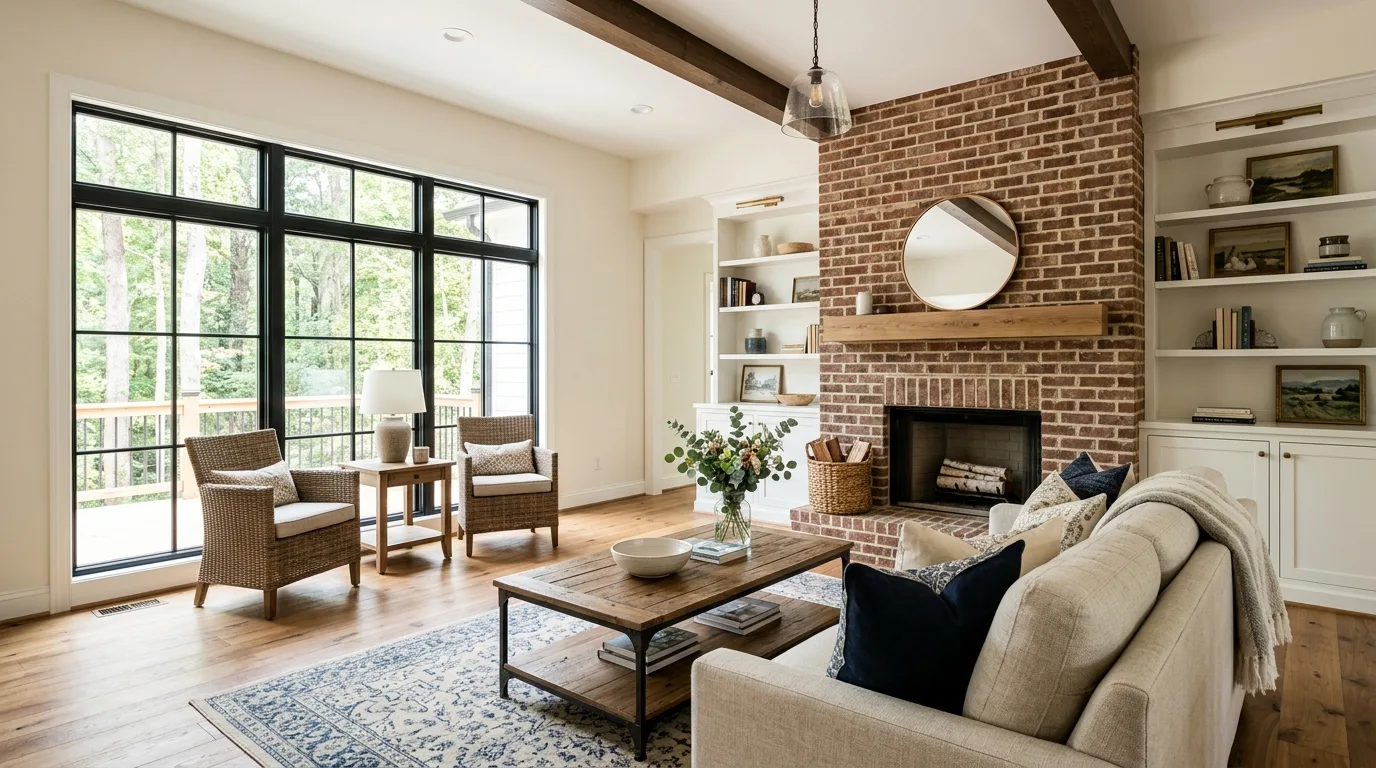
To truly appreciate the benefits of biophilic design, it helps to start with light. Maximizing natural light in your home can be achieved by strategically placing windows and using sheer curtains or blinds that allow light to move through a room without blocking it entirely. Sunlight not only illuminates your space — it stabilizes mood, supports the body's natural rhythms, and makes rooms feel more expansive than they are.
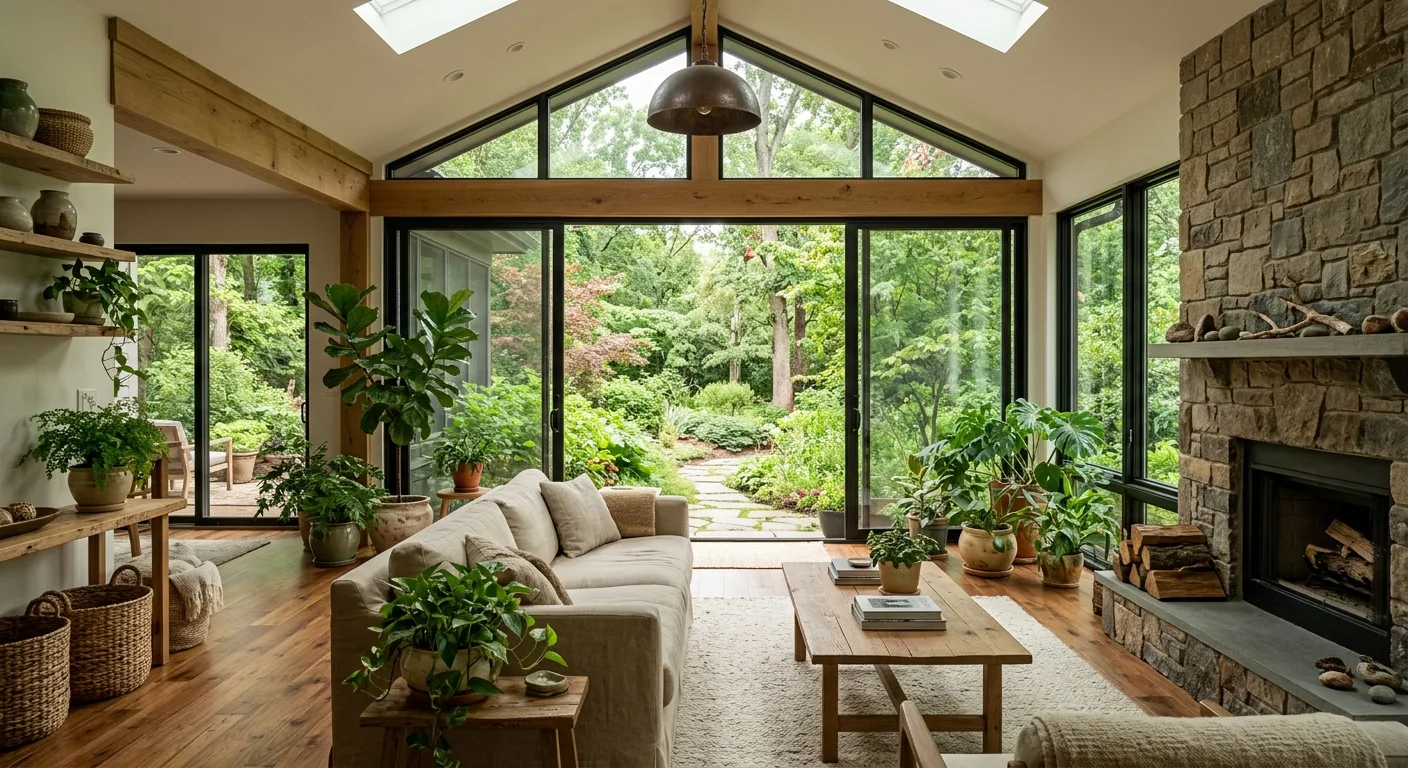
If you're planning a home renovation, consider installing skylights or enlarging existing windows to bring in more light from above and from angles that are often underused. Even smaller changes — repositioning furniture away from windows, swapping heavy drapes for lighter fabric — can shift how a room feels throughout the day. Good carpentry work can also open up a space structurally, creating sightlines that pull natural light deeper into the home.
Natural Materials and Plant Life
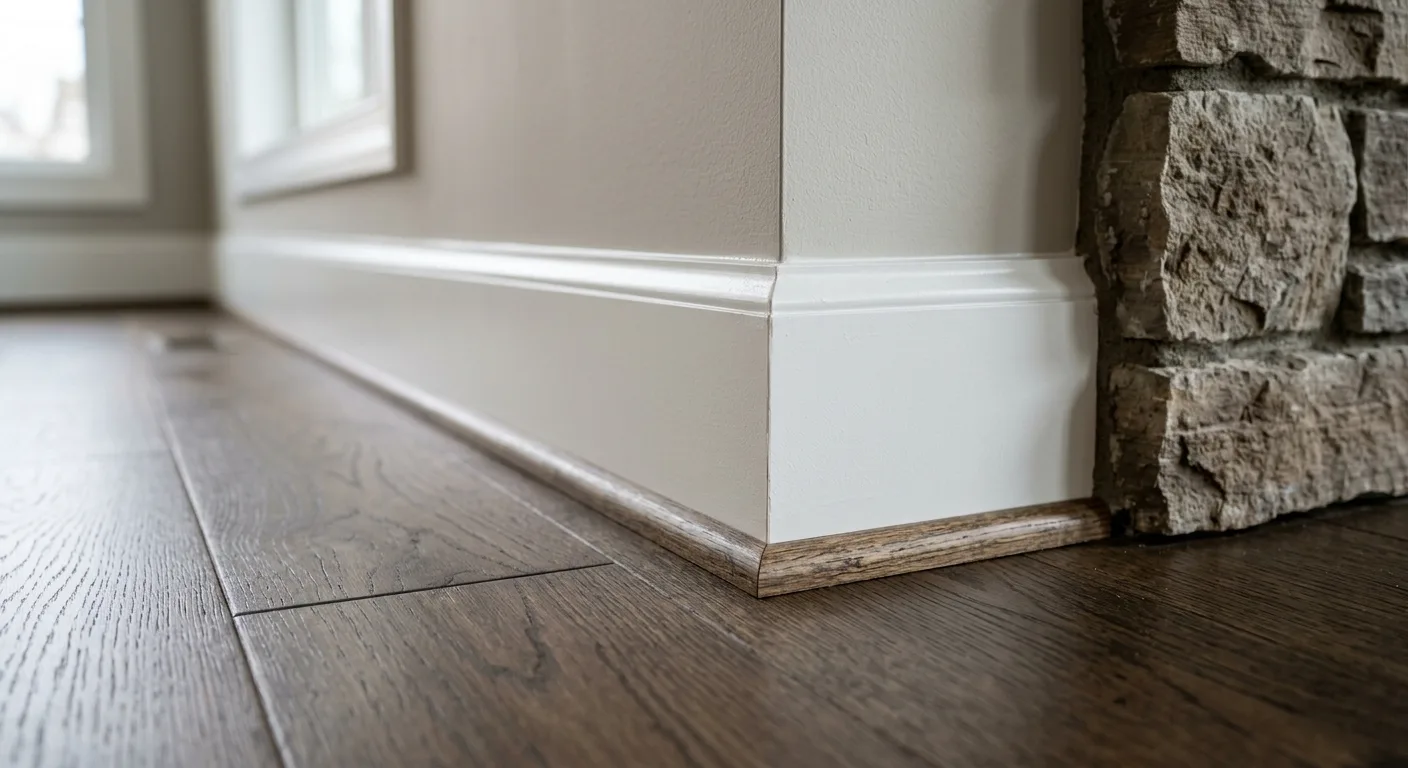
Another core element of biophilic design is the use of natural materials. Incorporating wood, stone, and natural fibers creates a warm environment that connects occupants to the textures and tones of the outdoors. These materials also add depth and visual richness that synthetic finishes rarely replicate. Reclaimed wood flooring is one of the more effective ways to introduce this quality — it brings both character and a tangible link to the natural world underfoot.
Plants are equally important. Adding greenery to your home enhances air quality, reduces stress, and introduces a living element that changes with the seasons. A stone feature wall paired with hanging plants or a living wall installation takes the concept further, creating a genuine interior landscape rather than a decorative gesture. These combinations work well in kitchens, bathrooms, and main living areas where people spend the most time.
Connecting Indoors to Outdoors
Biophilic design doesn't stop at interior surfaces — it extends to how your home relates to the space outside it. Open floor plans with large glass doors or folding panels that lead to an outdoor area allow indoor and outdoor spaces to feel continuous rather than separated. A well-designed deck or patio becomes more than a place to grill; it becomes a transition zone that makes the whole home feel larger and more connected to the landscape.
Natural colors also play a role. Earthy tones — warm greens, soft browns, stone grays, sandy neutrals — reduce visual tension and create a sense of calm that stronger or more saturated palettes rarely achieve. When these colors are carried from the interior out to an exterior living space, the effect is a home that feels genuinely cohesive. You can explore some of what this looks like in our exterior renovation gallery.
Water, Air, and Sensory Elements
Beyond aesthetics, biophilic design improves indoor wellness by engaging more than just sight. Water features — a small indoor fountain, a reflecting element near a window, or even a simple fish tank — introduce sound that masks ambient noise and encourages a slower pace. The presence of moving water has a measurable effect on stress levels that most homeowners notice within the first few days.
Fresh air and proper ventilation are equally critical. Installing high-quality ventilation systems ensures that clean air circulates throughout your home, reducing indoor pollutants and maintaining the air quality that supports long-term health. If your renovation involves structural work, this is the right moment to address ventilation properly — retrofitting it later is both more disruptive and more expensive. Mold remediation may also be worth addressing at this stage, since hidden moisture issues in walls or under flooring can undermine the healthiest interior design choices.
Designing for the Long Term
Biophilic design is most effective when it's built into the structure of a home rather than layered on top of it. That means making decisions about window placement, material selection, ventilation, and layout early in the renovation process — before walls go up and systems are set. It also means working with contractors who understand how these elements interact, not just how to install them individually.
For homeowners thinking about a broader project, it's worth reading about innovative remodeling ideas that approach renovation as a whole-home transformation. The principles that make biophilic design work — intention, coherence, material honesty — are the same ones that make any renovation last.