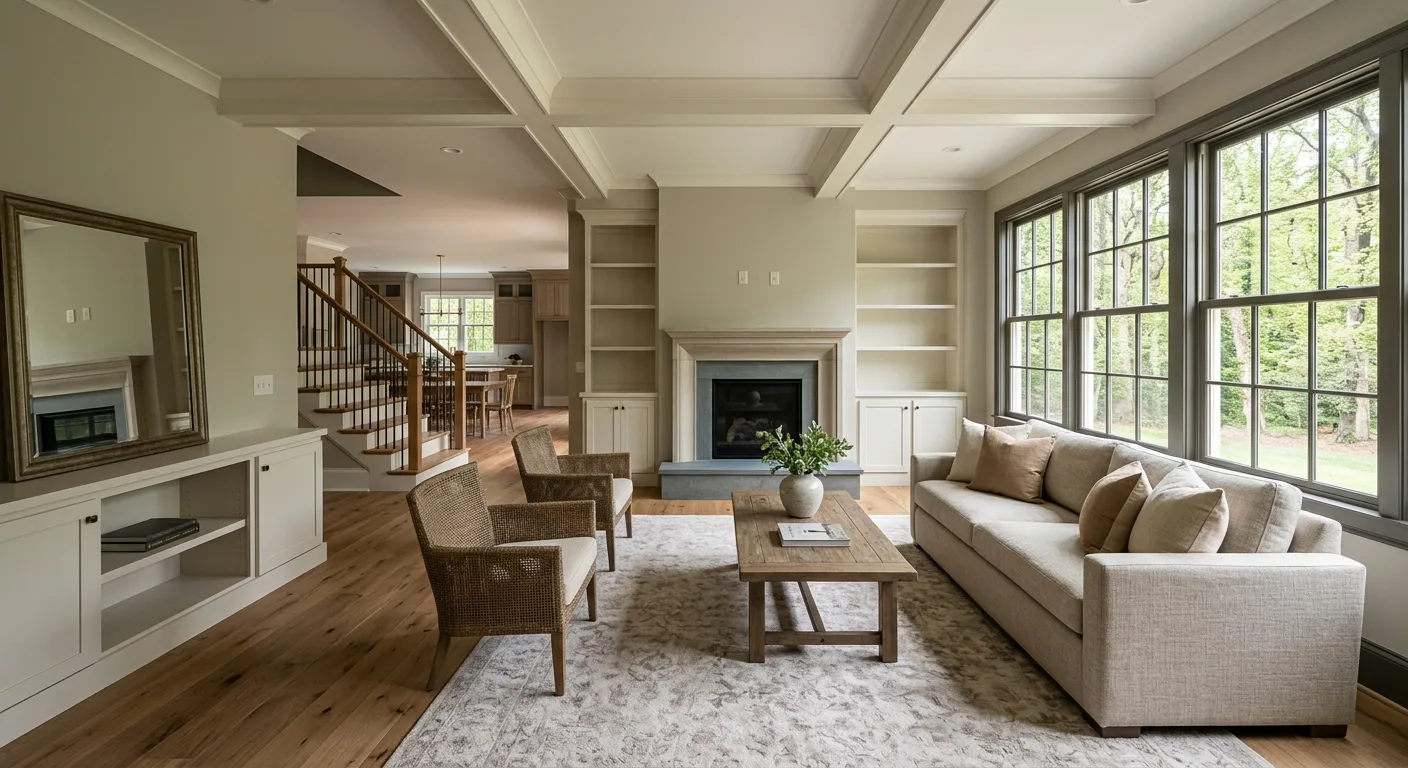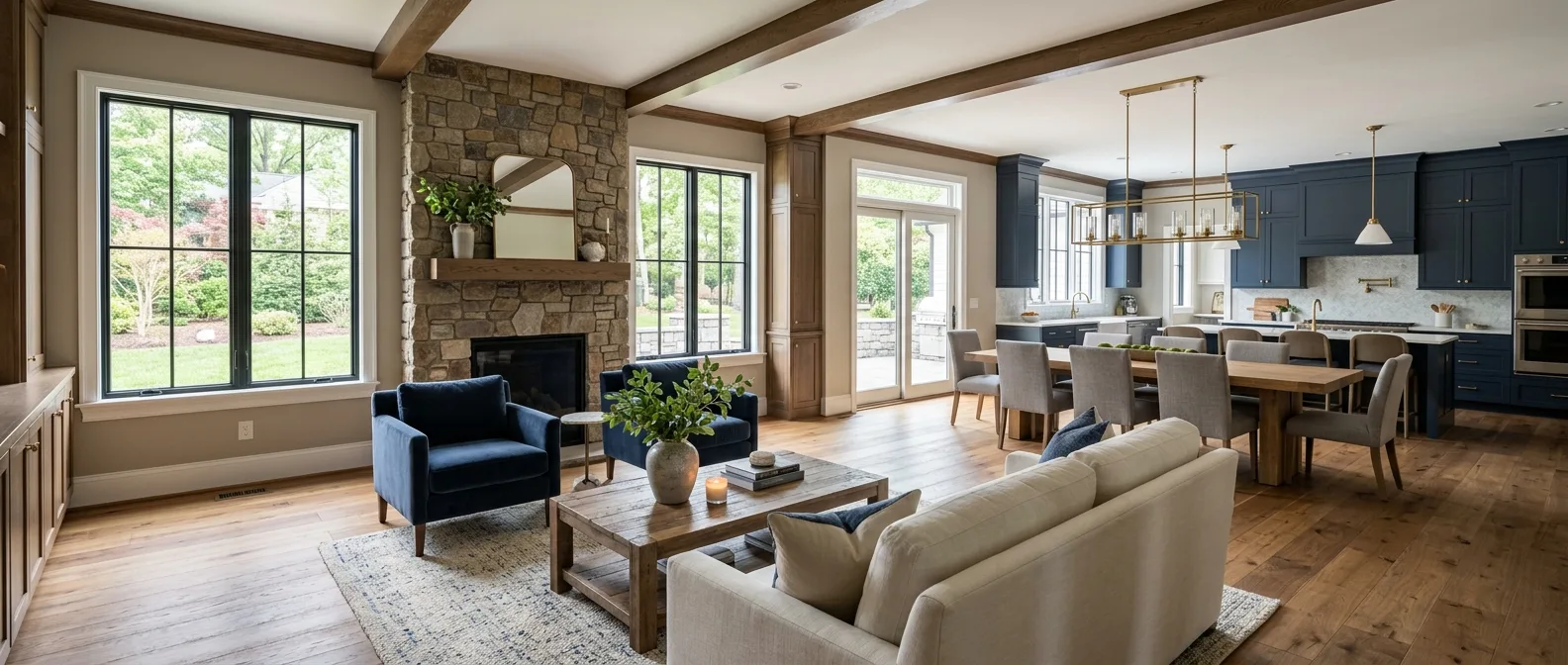
Every successful renovation starts well before the first nail is driven. The decisions made in the planning stage — how detailed your blueprint is, how realistic your budget is, how clearly you communicate with your contractor — shape everything that follows. These are the tips Richmond Renovation Specialist LLC applies on every project, from a single-room remodel to a whole-home transformation.
Start With a Clear Blueprint
Before any construction begins, you need a plan that actually holds up under pressure. Work with a professional designer or your contractor to produce a detailed blueprint — one that covers layout, materials, design features, and functional priorities. The plan should reflect your budget honestly and your personal style clearly. A thorough blueprint doesn't eliminate surprises entirely, but it dramatically reduces them and keeps the project moving in a predictable direction. Skipping this step is where most renovations run into trouble.
Set a Realistic Budget — and Protect It
A renovation budget is only useful if it accounts for the full picture. Beyond materials and labor, factor in permit fees, design costs, and a contingency reserve — typically 10 to 15 percent of your total — for anything unforeseen. Once that number is established, your contractor should be helping you stay within it, not just working around it. At Richmond Renovation Specialist LLC, we talk through budget expectations during the free consultation before any work is scoped. That conversation saves a lot of headaches later.
Choose the Right Contractor
The contractor you hire sets the tone for your entire project. Look for a company with a documented track record in your area — ask for references, review their past work, and confirm they carry proper insurance. Richmond Renovation Specialist LLC is fully insured and has completed projects across Chesterfield, Midlothian, and the broader Richmond metro. Read what past clients have to say on our reviews page and take a look at completed project cases to get a sense of the scope and quality we bring to each job. A contractor who is reluctant to share references or documentation isn't someone you want managing your home.
Select Materials That Work as Hard as They Look
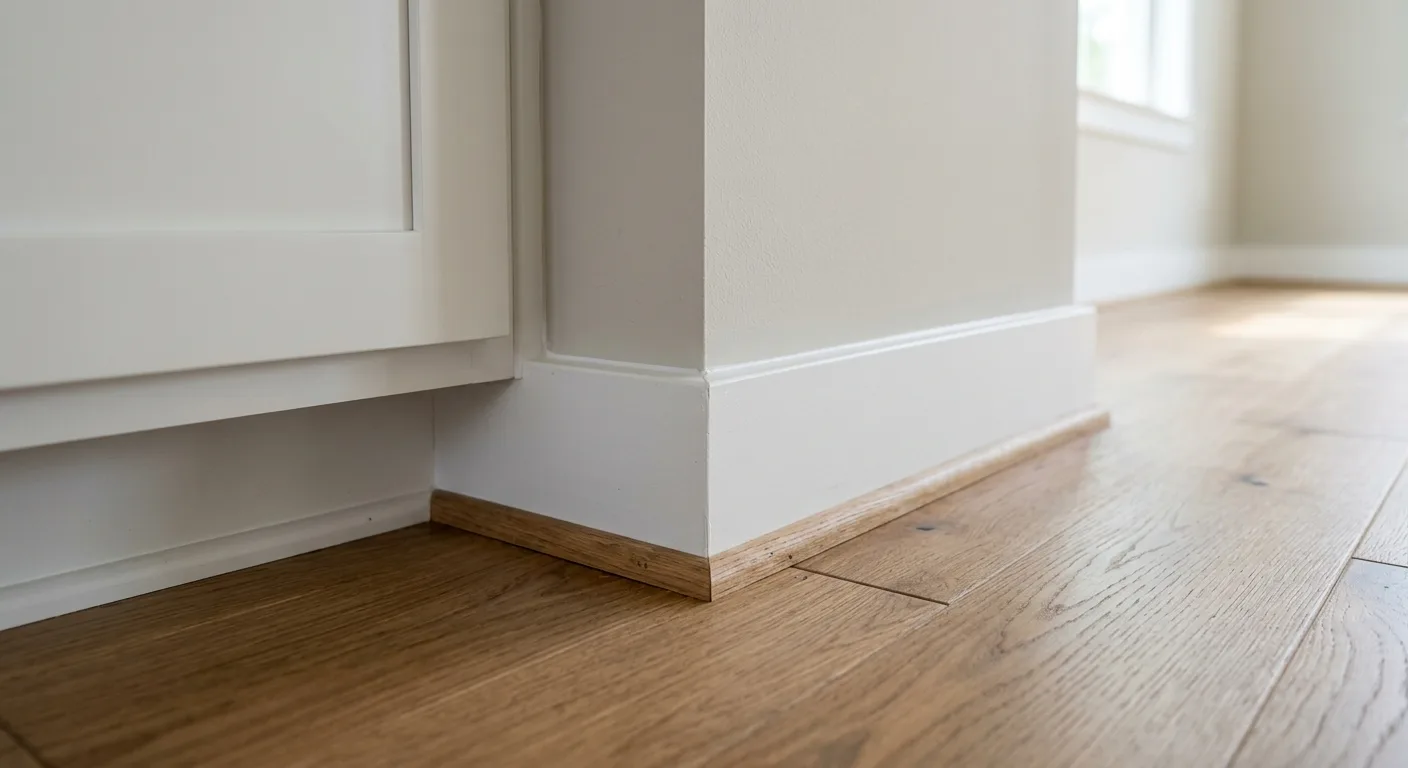
Material selection is where a renovation either holds up over time or starts showing cracks — sometimes literally. The goal is finding options that balance aesthetics with durability and long-term value. For high-traffic areas, hardwood or LVP flooring tends to outperform softer alternatives. For exterior elements like decks or siding, material choice directly affects how much maintenance you'll be dealing with five years from now. Your contractor should bring specific recommendations rather than leaving those decisions entirely to you — that's part of what you're hiring expertise for.

Plan Around the Calendar
Timing influences a renovation more than most homeowners expect. Exterior work — roofing, deck installation, and siding — is generally scheduled for warmer, drier months in Virginia. Interior work like kitchens, baths, and carpentry can happen year-round, though lead times on materials can shift depending on the season. Talk through milestones and a realistic completion window with your contractor early. Build in some buffer for weather and supply chain delays — not because they're inevitable, but because they happen often enough to plan for.
Communicate Throughout — Not Just at the Start
A strong contractor relationship doesn't run on autopilot after the contract is signed. Stay engaged during the project — visit the site, review progress against the plan, and ask questions when something looks different than expected. A good contractor expects and welcomes that involvement. If something isn't right, catching it early is far less costly than addressing it after the work is finished. The projects that go smoothest are the ones where communication stays open in both directions from day one to final walkthrough.
Stay Flexible When the Plan Meets Reality
Even a well-prepared renovation can reveal something unexpected once walls open up — an old pipe, a structural issue, a hidden layer of damage. Flexibility isn't a fallback position; it's a practical part of any serious renovation. The homeowners who handle surprises best are the ones who planned for the possibility that some surprises were coming. For projects involving mold remediation or older homes with concealed damage, that mindset is especially valuable. The end result — a home that's been thoughtfully rebuilt to serve you for years — is worth navigating the unexpected to get there.