Richmond's architectural tapestry runs deep. Many of the homes scattered across its older neighborhoods date back decades — some longer — and each one carries the design sensibility and craftsmanship of the era it was built in. That's not something to bulldoze through. A good renovation of a historic home starts with understanding what it is before deciding what to change. At Richmond Renovation Specialist LLC, that's exactly how we approach it.
Renovating a historic home is a careful balancing act. The goal isn't to erase history — it's to let the home live comfortably in the present without losing what made it worth preserving in the first place. That means structural work done right, updated systems that don't compromise original character, and design choices that respect the bones of the building.
Working with the Structure, Not Against It
Older homes were built with materials and methods that no longer match current code. That creates real work — not just cosmetic decisions, but foundational ones. Plumbing that hasn't been touched in forty years, knob-and-tube electrical still buried in the walls, load-bearing elements that have shifted over time. These aren't details to work around; they're the starting point. Renovations on historic Richmond properties often begin with structural repairs and system replacements before a single finish choice is made. Done correctly, this kind of work is invisible — you won't see it, but the home will be safer, sounder, and ready for another generation. Our carpentry work on these projects often runs alongside structural updates, reinforcing framing and restoring trim details that would otherwise be lost.
Energy Efficiency Without Sacrificing Character
Most historic homes weren't built with energy performance in mind. Single-pane windows, minimal insulation, and heating systems long past their useful life make these properties uncomfortable and expensive to run. High-performance window replacements, updated insulation, and modern HVAC systems can address all of that — without turning a craftsman bungalow into something generic. The key is matching replacement materials to the original aesthetic wherever possible. A window that performs better but reads as a visual intruder defeats the purpose. When these updates are done thoughtfully, the result is a home that holds its temperature, lowers its utility bills, and still looks exactly like itself.
Kitchens and Bathrooms: Function Meets History
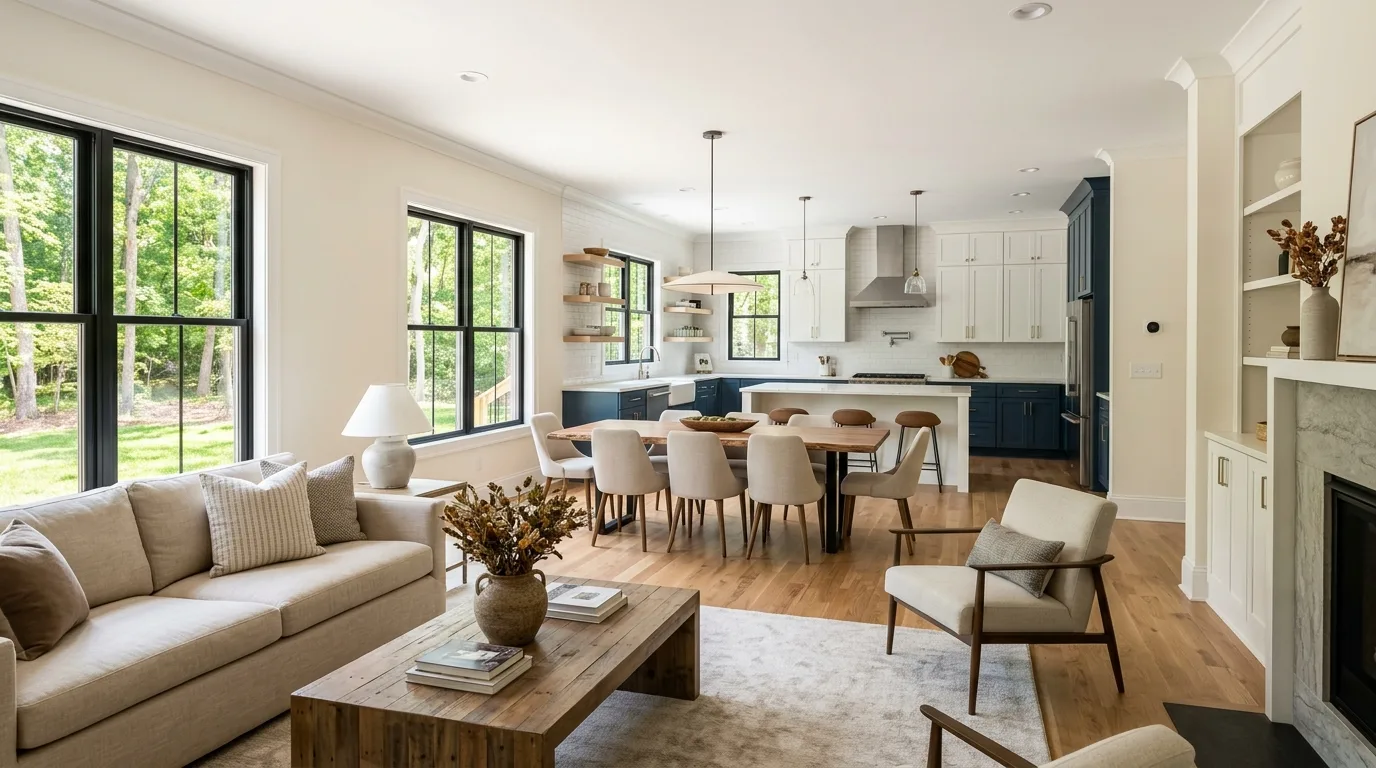
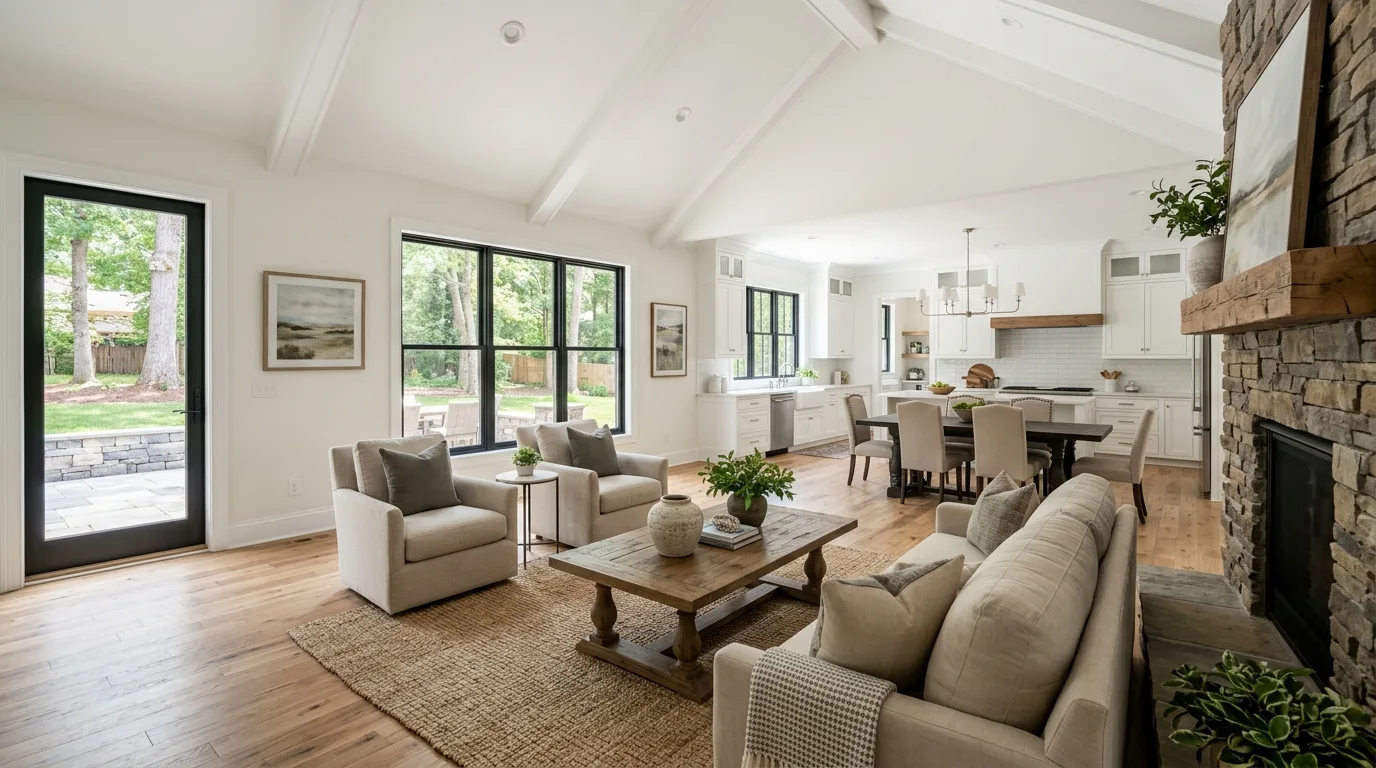
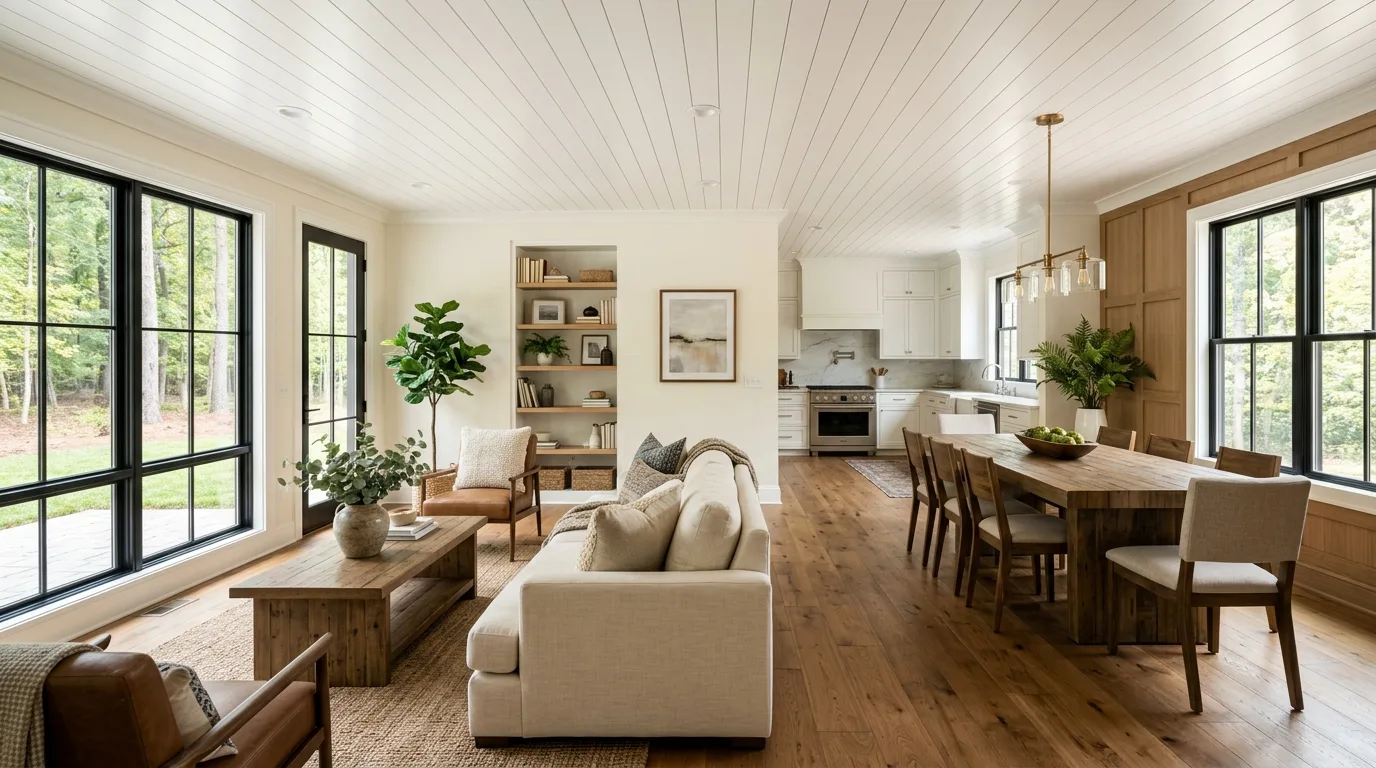
Kitchen and bathroom renovations in historic homes require a different mindset than a standard remodel. The layout may be constrained by walls that can't move. Original tile or cabinetry might be worth preserving rather than replacing. At the same time, nobody wants to cook on a 1960s range or live with a bathroom that hasn't been updated since it was installed. The solution is integration — modern appliances and fixtures selected to work within the existing aesthetic rather than override it. Sleek hardware, period-appropriate tile profiles, cabinet styles that echo what was already there. The home still functions the way a modern household needs it to, but it doesn't look like a renovation happened. You can see examples of this kind of work in our project gallery.
Preserving What Makes These Homes Worth Keeping
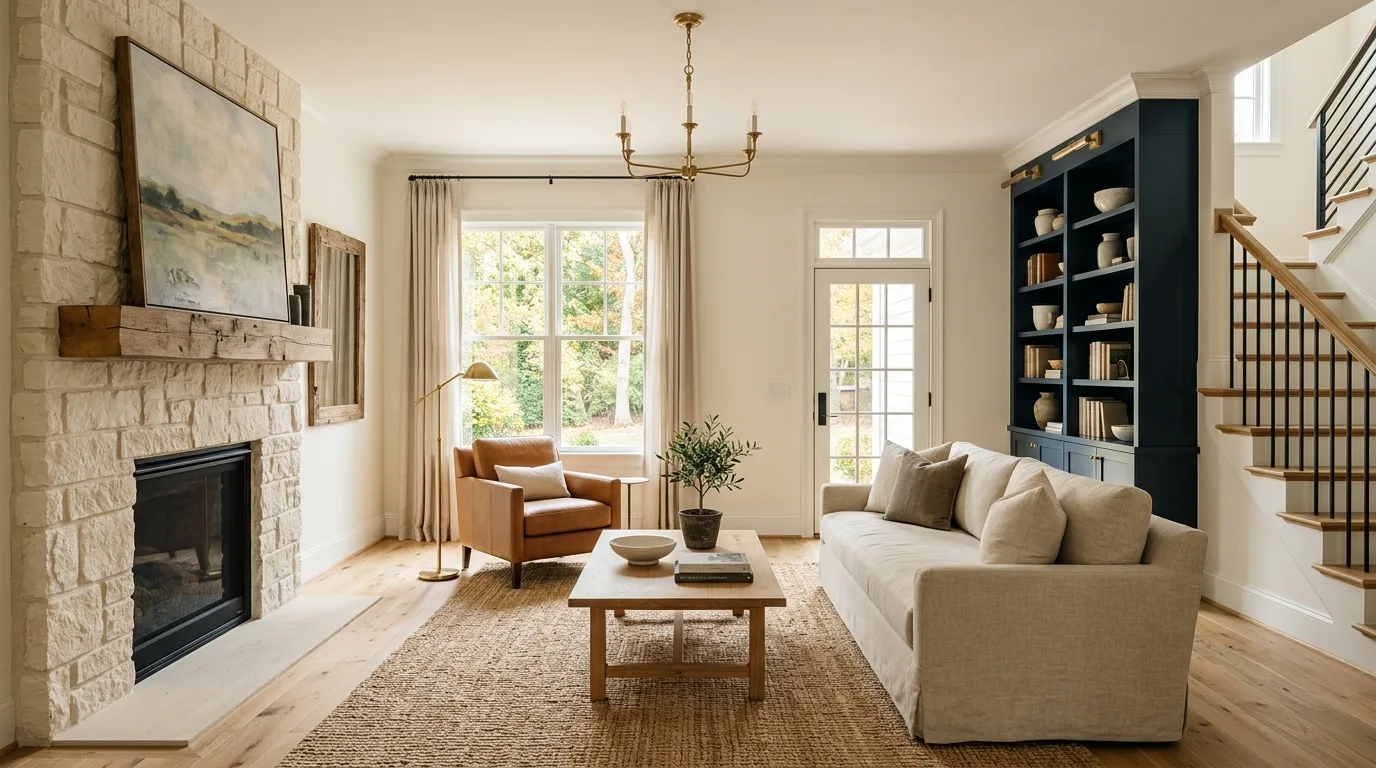
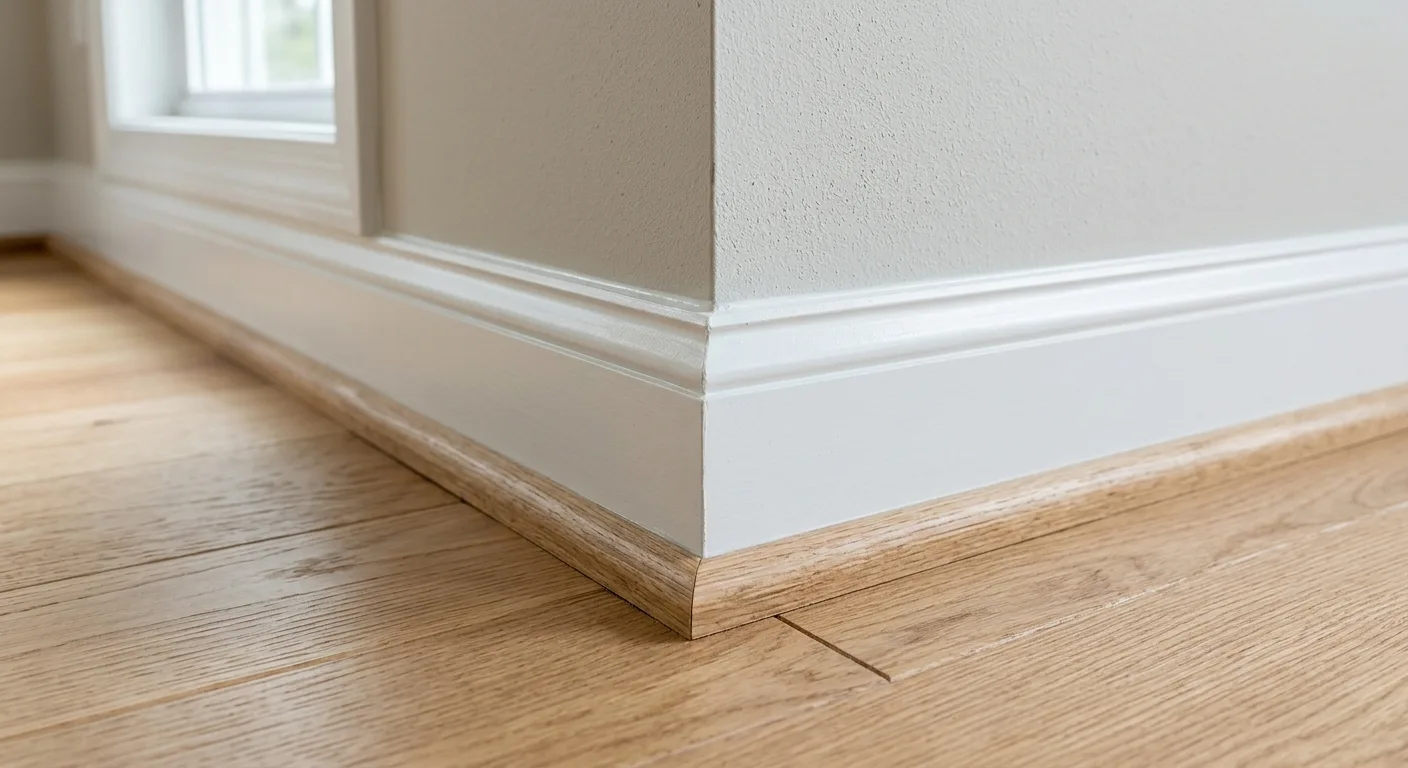
Fireplaces, crown molding, original hardwood floors — these are the details that give a historic Richmond home its identity. A renovation that removes or covers them to cut costs isn't a renovation; it's a loss. Our approach is to restore and preserve these features wherever the condition allows. Original hardwood floors are refinished, not replaced. Molding profiles are matched when repairs are needed. Fireplaces are inspected, restored, and made functional again. When reclaimed wood is needed for patches or new built-ins, we source it locally to keep the material story consistent. These aren't small decisions — they're the difference between a home that retains its value and character and one that ends up looking like every other generic remodel on the block. Our flooring and finish work on historic properties reflects that standard throughout.
Outdoor Spaces That Belong to the House
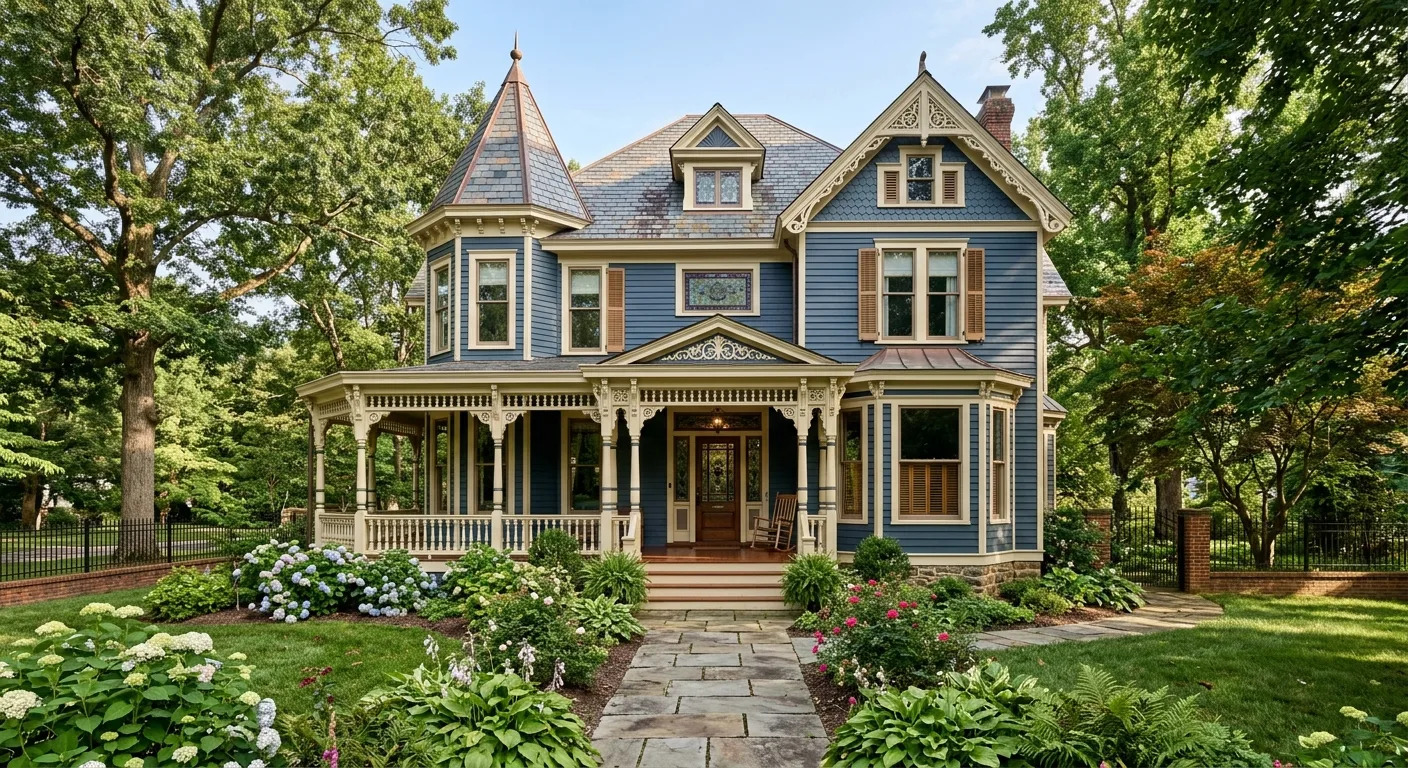
Porches and outdoor spaces are often defining features of Richmond's historic homes — front porches especially, which speak to how these neighborhoods were built to feel. Restoring or rebuilding these spaces requires the same attention to proportion and material as the interior work. A porch addition that uses mismatched lumber or contemporary railing profiles can undermine the entire facade. Deck and patio work on historic properties follows the same principle as everything else: understand what the house is, then build something that belongs to it.