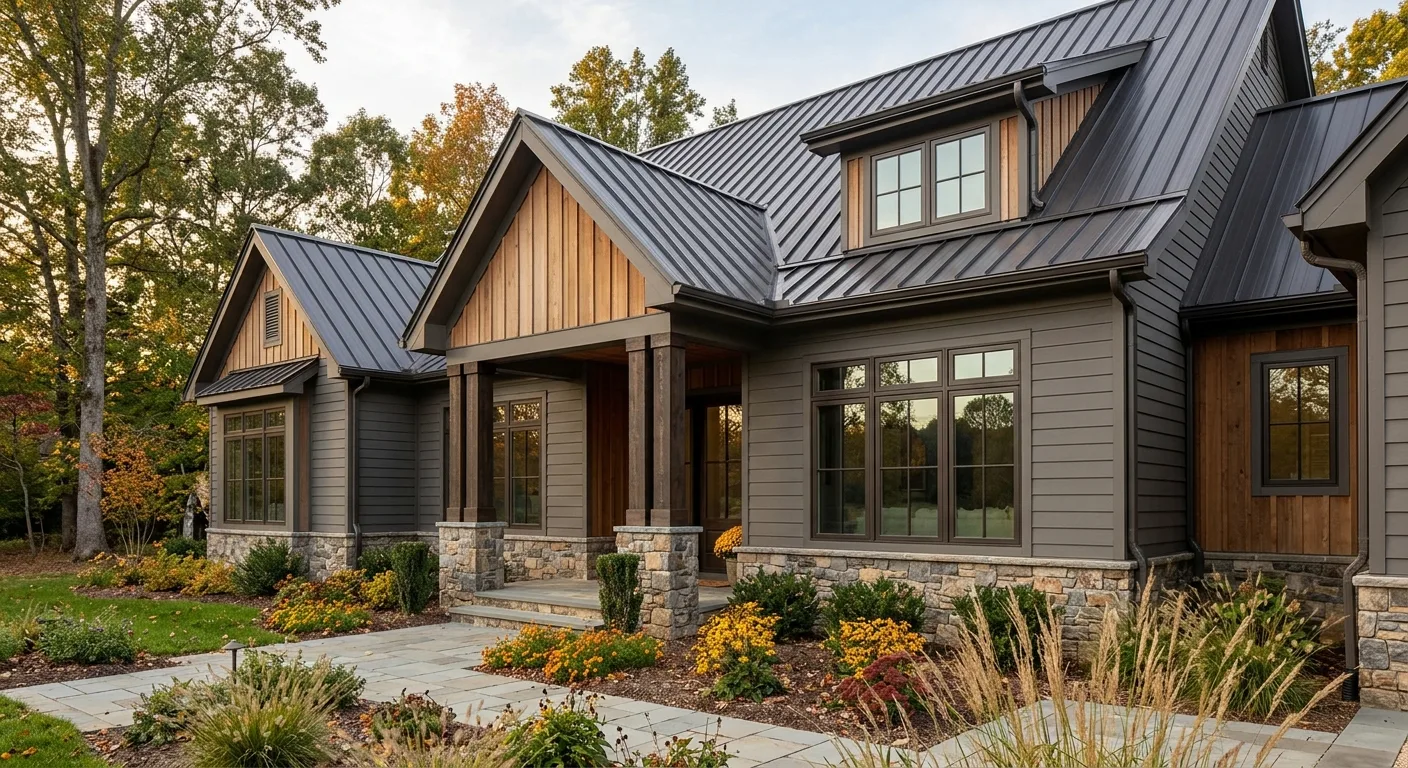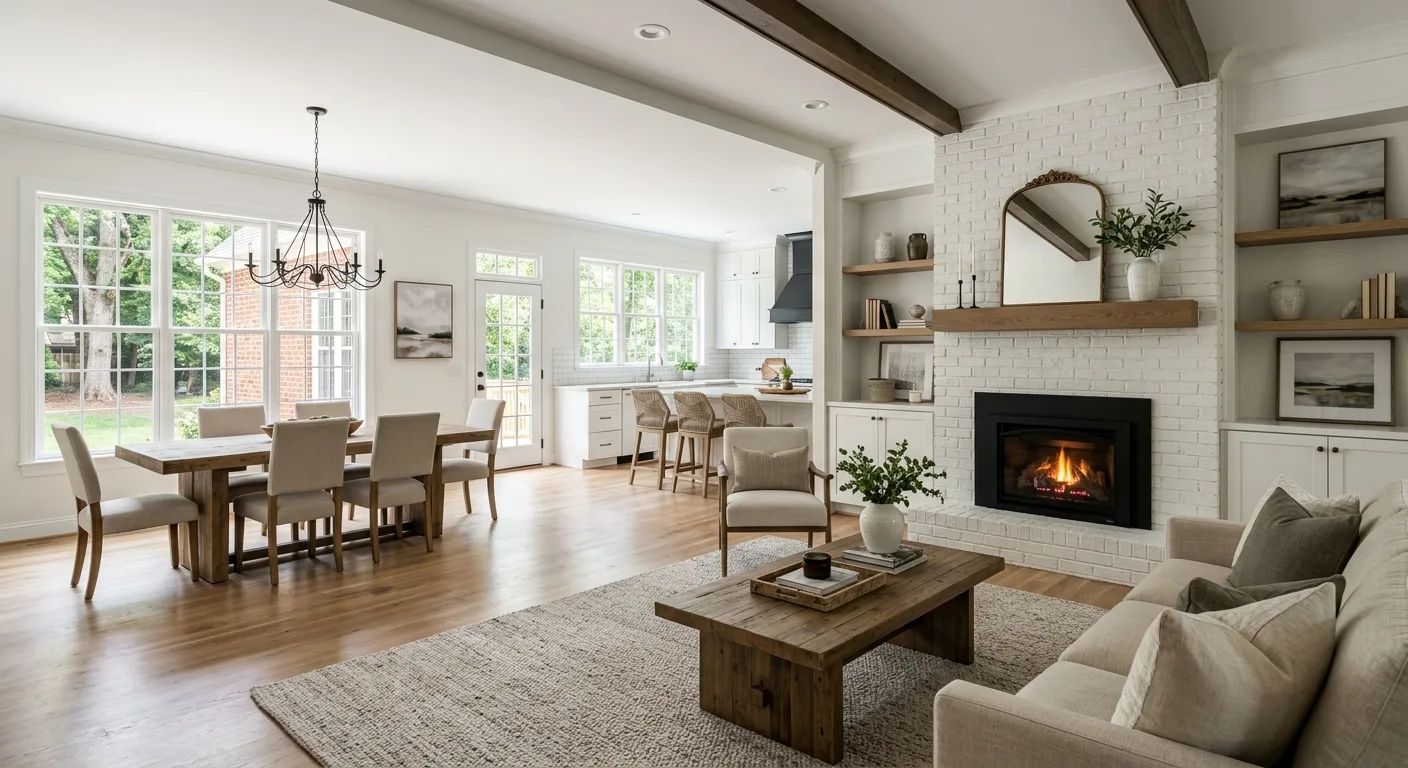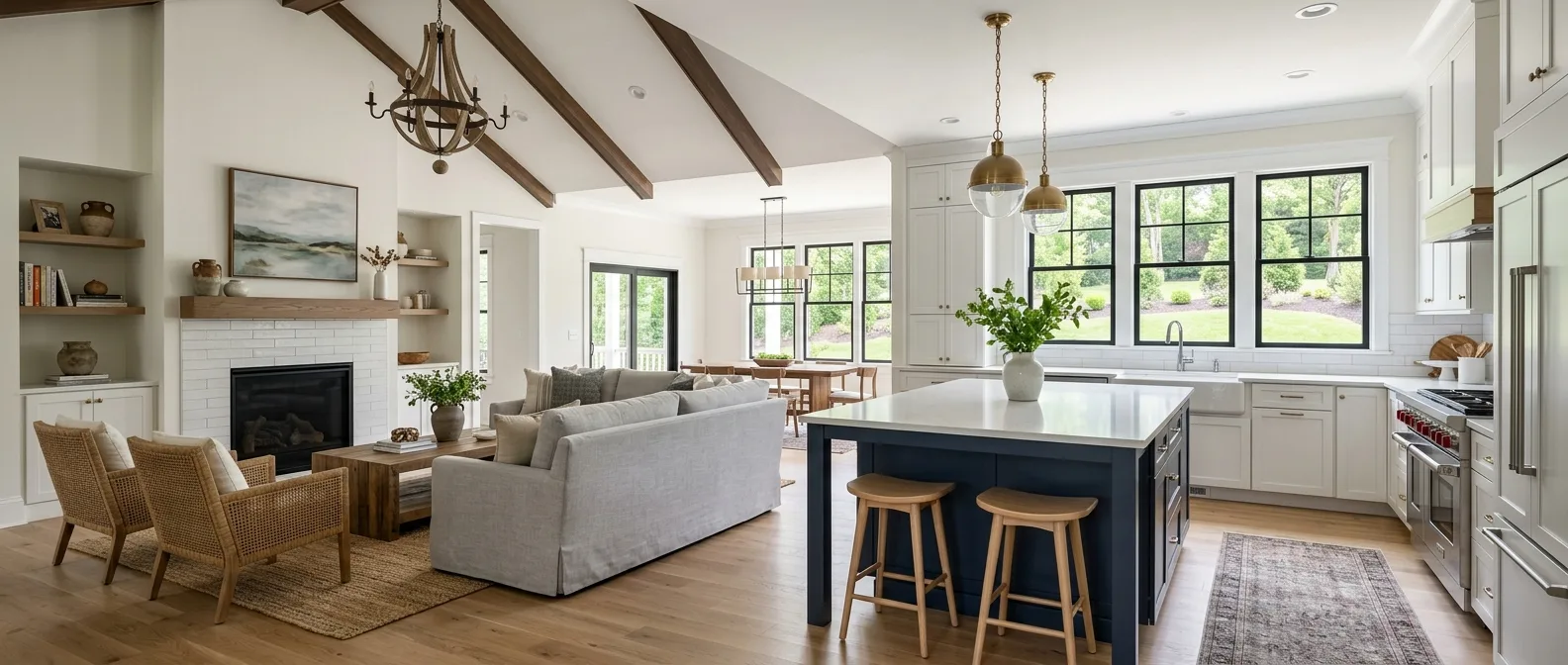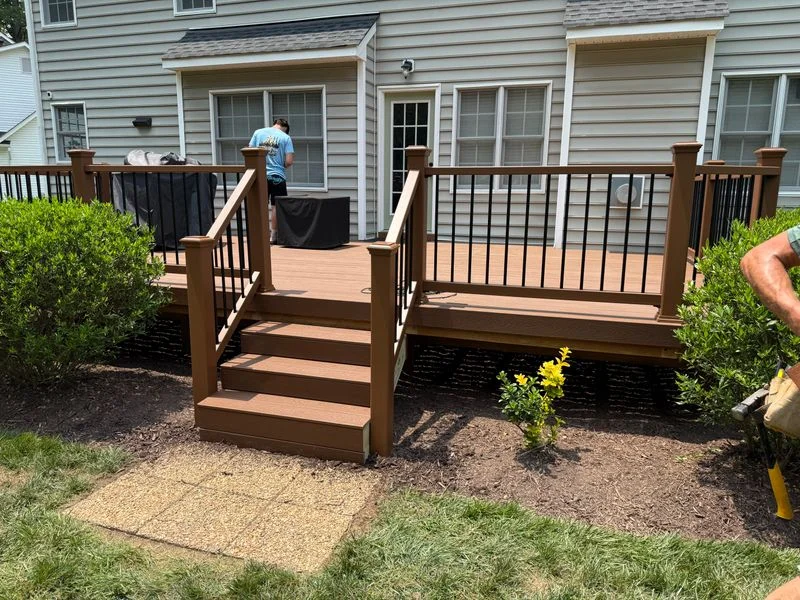
A well-designed patio can significantly expand your living space, offering a serene retreat or an inviting venue for entertaining guests. The first step in any backyard transformation is selecting the right materials. Modern deck and patio installation often draws from a blend of natural stone, brick, and concrete pavers — each with its own strengths. Stone and brick bring a timeless aesthetic that ages well in Virginia's climate, while concrete pavers can be customized across a range of colors and patterns to suit your personal taste.
Richmond's varying weather — humid summers, cool winters, and unpredictable spring rains — makes material selection especially important. Teak, powder-coated metal, and weather-resistant composites hold up where lesser materials fail. Planning for the climate from the start means your patio stays beautiful and functional season after season, not just through the first summer.
Bringing the Indoors Out
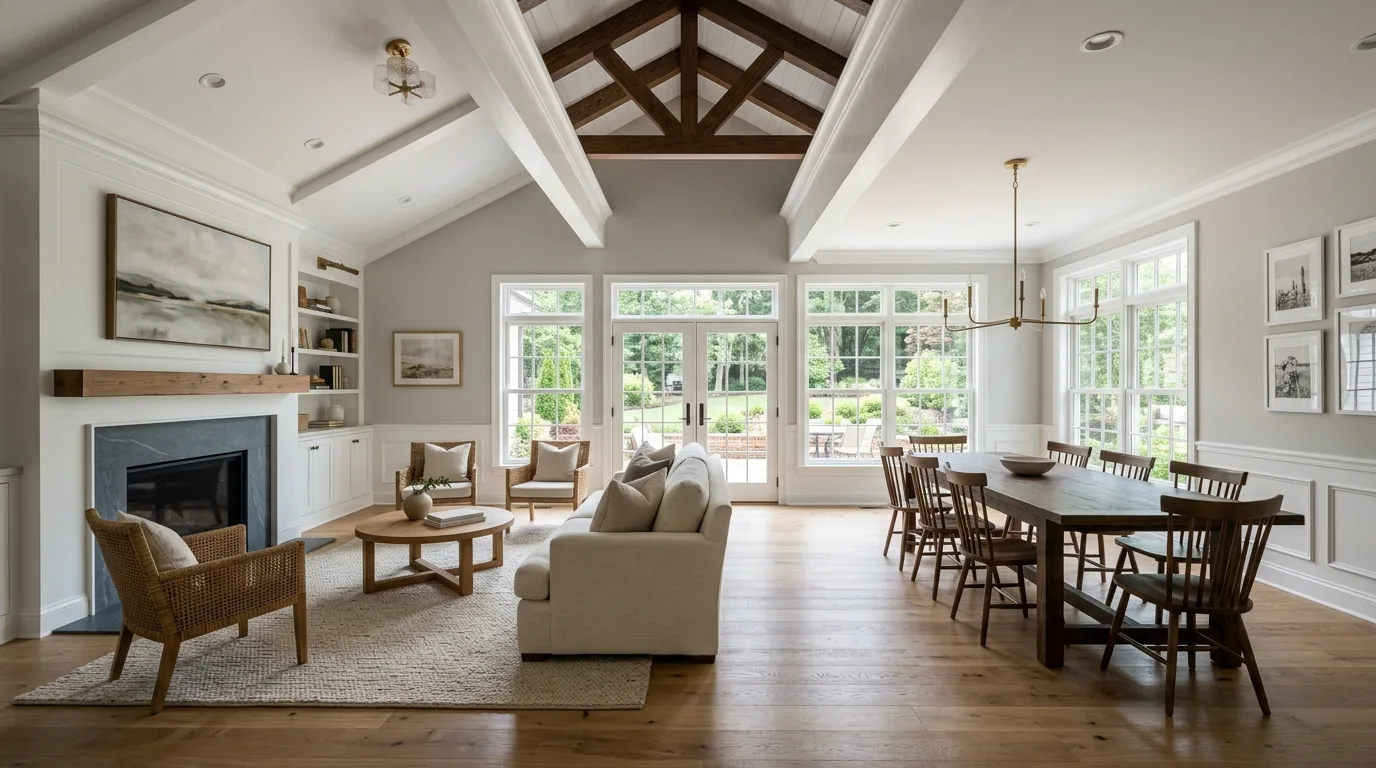
Creating a seamless transition between your indoor and outdoor spaces enhances both the usability and the visual appeal of your patio. Large sliding or folding glass doors open the home to the backyard in a way that smaller entries simply cannot — they invite natural light deeper into the house and make the patio feel like an extension of the living room rather than a separate space. This kind of integration creates a cohesive look that makes outdoor entertaining feel natural rather than an afterthought.
Versatile seating anchors this connected environment. Modular sectionals that rearrange for different occasions, built-in benches along a pergola perimeter, or a mix of lounge chairs and dining furniture give you flexibility without sacrificing comfort. The goal is a space that works as easily for a quiet evening as it does for hosting a crowd.
Shade, Cover, and Year-Round Use
Incorporating a covered area is essential if you want to use your patio beyond the handful of perfect weather days Virginia offers each year. A pergola with a retractable canopy or a properly anchored awning provides meaningful shade through July and August while still letting in light during cooler months. For something more permanent, a covered porch addition extends your season further — keeping the space usable even during Richmond's unpredictable spring showers.
The choice between a pergola, a solid roof structure, and a retractable option depends largely on how you use the space and what your home's architecture allows. Each solves a different version of the same problem: making sure the weather doesn't make the decision for you.
Lighting That Works After Sunset
Lighting plays a critical role in transforming an outdoor space from purely functional to genuinely inviting. The most effective patio lighting layers ambient, task, and accent sources rather than relying on a single overhead fixture. Solar-powered lights along pathways define edges and improve safety without additional wiring. Pendant lights under a pergola create the kind of warm glow that makes an outdoor dining area feel intentional. LED strips tucked under garden benches or along planter walls add depth without overwhelming the space.
Well-planned lighting also extends the hours you actually use your patio — a meaningful return on the investment you've made in the space overall. If you're already planning a renovation, it's worth reviewing our exterior renovations gallery to see how lighting integrates with finished project work.
Greenery and the Richmond Landscape
Incorporating greenery into a patio design does more than add visual interest — it softens hard surfaces, provides natural privacy, and creates a sense of enclosure without feeling walled in. Native plants suited to Richmond's climate are the practical choice here. They require less maintenance, tolerate both the summer heat and winter cold better than many ornamental varieties, and support local pollinators as a bonus.
Vertical gardens and raised planters work particularly well on patios where ground space is limited. A trellis planted with native climbing vines can define a boundary while staying low maintenance. Carpentry work — built-in planters, custom trellises, garden benches with integrated storage — ties the plantings into the structure of the patio in a way that looks considered rather than improvised.
The Details That Elevate a Patio
The features that move a patio from comfortable to exceptional are often the ones that reflect how you specifically use the space. An outdoor kitchen with a built-in grill and counter space changes how you entertain — dinner stays outside rather than pulling the host back indoors every twenty minutes. A water feature, whether a simple wall-mounted fountain or a freestanding basin, adds ambient sound that makes conversation feel easier and the space feel more removed from street noise.
Built-in speakers wired for outdoor use, a fire pit for shoulder-season evenings, or a dedicated area for an outdoor dining table with a chandelier overhead — these aren't luxuries reserved for large backyards. They're design decisions that pay off in daily use. If you're curious how outdoor projects pair with interior work, our article on innovative remodeling ideas covers how to think about the home as a whole.