For many Richmond-area homeowners, the boundary between inside and outside feels more like a wall than a transition. It doesn't have to. When your interior rooms and outdoor spaces share a visual language — consistent materials, connected sightlines, thoughtful access — the entire home feels larger, more intentional, and genuinely more livable.
This guide walks through the practical decisions that make indoor-outdoor integration work in real Virginia homes: from the doors and flooring that anchor the connection, to the decor choices and climate features that keep those spaces comfortable through every season.
Start With the Transition Points
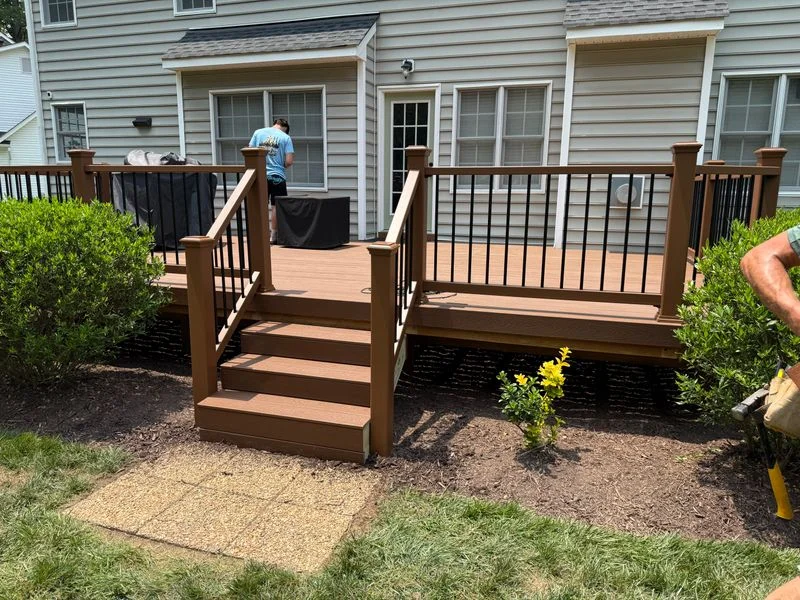
When considering indoor-outdoor integration, the first move is evaluating where your home naturally wants to connect to the outdoors. Transitional spaces — decks, patios, sunrooms, screened porches — are the bridge. These aren't afterthoughts; they're the architectural hinge that makes the whole concept work.
Large sliding glass doors or bi-fold doors are among the most effective tools available to Richmond homeowners. Opened fully, they dissolve the boundary between a living room and a rear patio, allowing natural light to flood in and creating an uninterrupted flow that is both inviting and visually expansive. The door system you choose shapes every other decision that follows.
Flooring That Carries Through
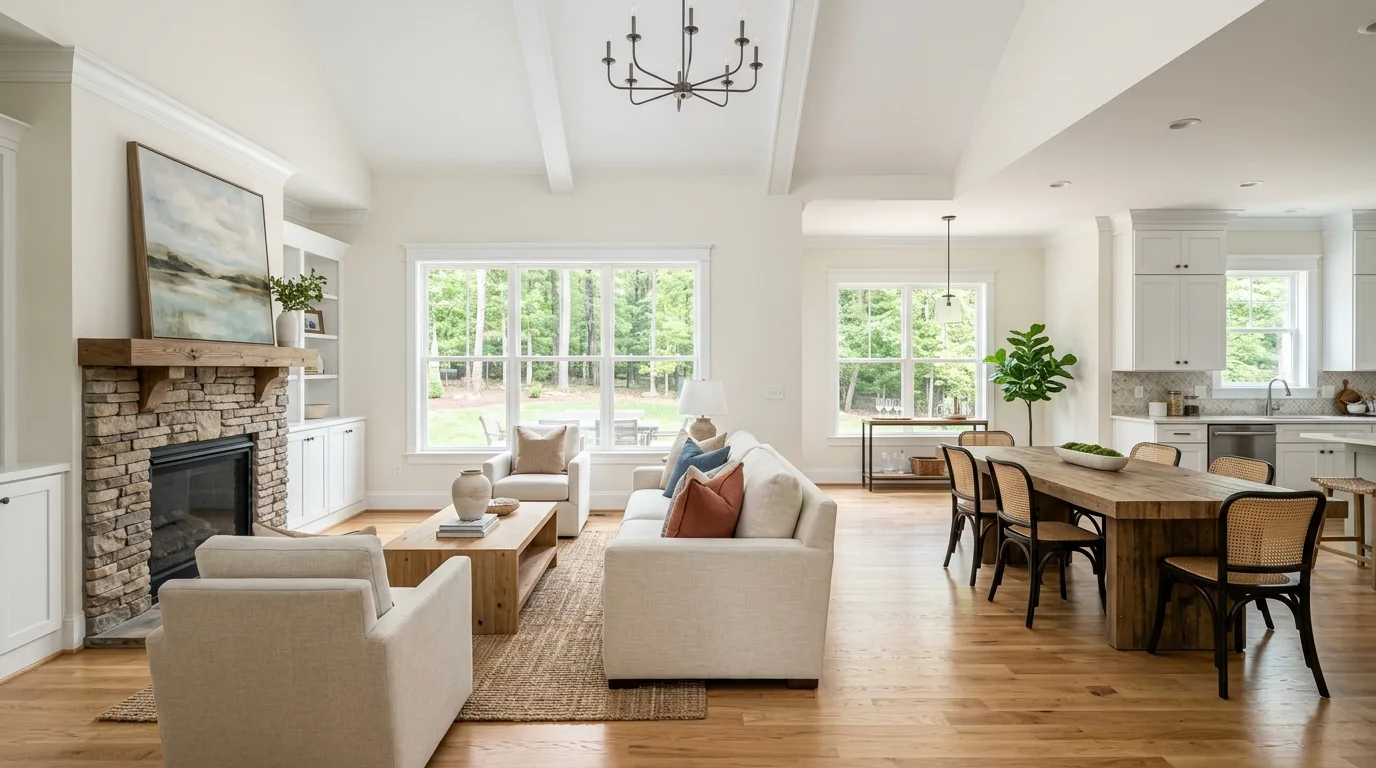
One of the most powerful ways to reinforce indoor-outdoor continuity is through flooring. When the material at your feet reads the same — or closely related — inside and out, the eye accepts the two spaces as one.
Natural stone, concrete, and large-format porcelain tiles are particularly well-suited to this approach. They perform reliably in outdoor conditions while remaining refined enough for interior use. Our flooring work in the Chesterfield and Richmond area accounts for the local climate — materials that look sharp in August need to hold up through January too. Choosing the right product from the start avoids premature wear and keeps the cohesive look intact year-round.
Decor and Design Continuity
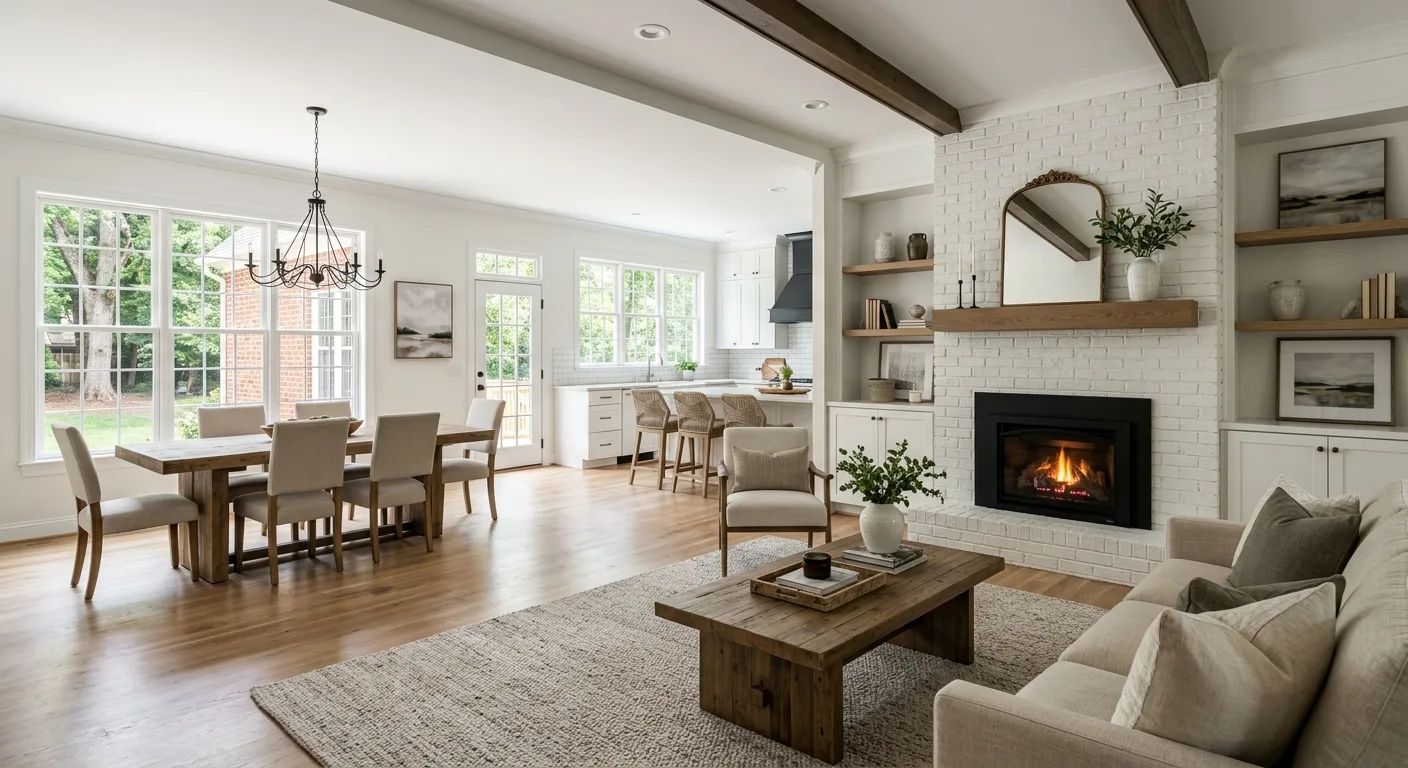
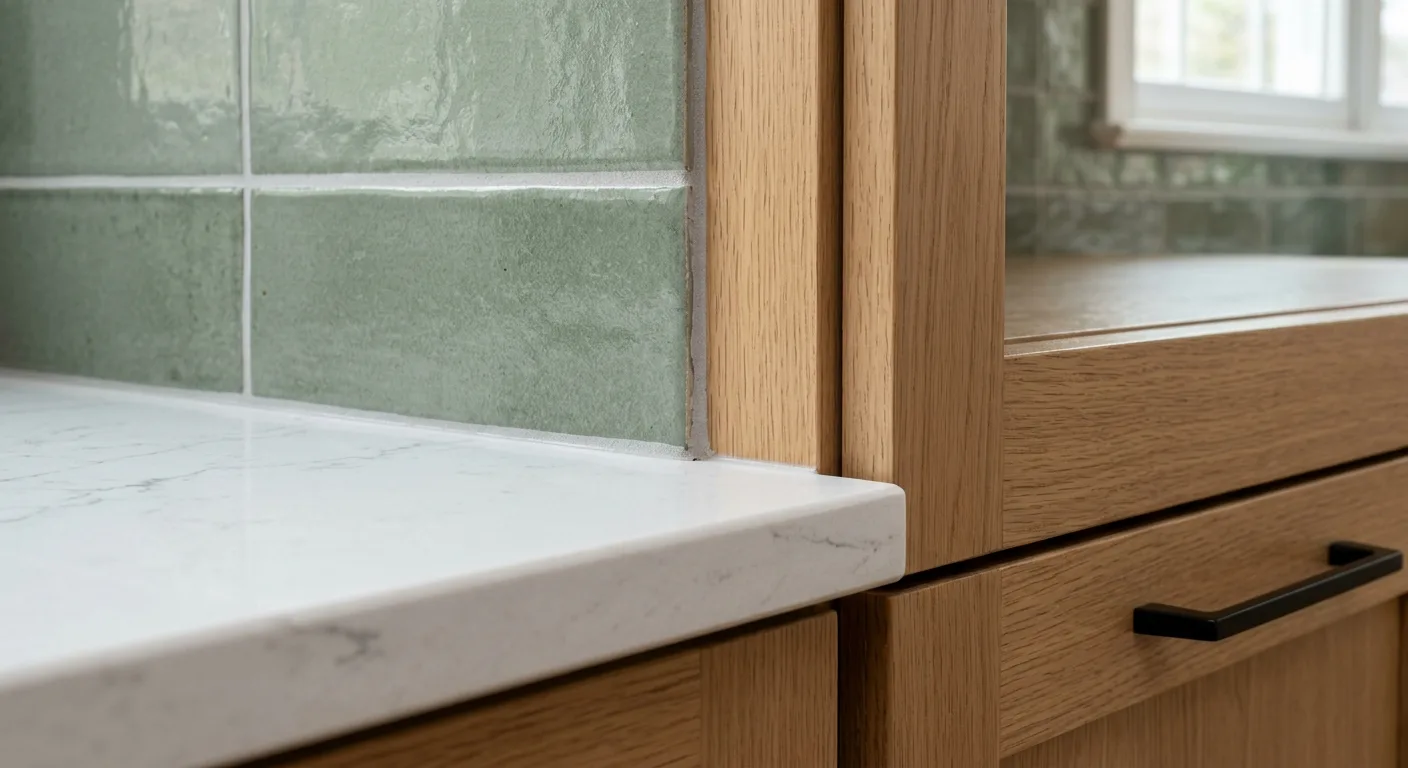
Visual connection isn't only structural — it's also tonal. When the color palettes, textures, and furnishing styles in your outdoor space mirror what's happening inside, the transition feels earned rather than accidental.
Outdoor furniture that echoes the lines of your interior pieces, textiles that pick up a recurring color from inside, potted plants positioned to draw the eye outward — these details work together quietly. You don't need to match everything exactly. Consistency in tone and material quality is enough to signal that someone thought carefully about how these spaces relate to each other. For carpentry details like pergola beams, built-in benches, or exterior trim that tie the aesthetic together, thoughtful craftsmanship makes the difference between a space that feels designed and one that feels assembled.
Climate Considerations for Year-Round Use
Richmond's seasons are genuinely varied — warm, humid summers and winters that get cold enough to make an uncovered patio useless from November through March. Any serious indoor-outdoor integration plan has to account for this.
Retractable awnings give you control over afternoon sun in the summer. Pergolas with adjustable louvered roofs let you dial in shade or airflow without committing to a fixed overhead structure. On the cold end of the calendar, outdoor heaters or a fire pit extend the comfortable season significantly — a well-placed fire feature can make a back deck usable well into December.
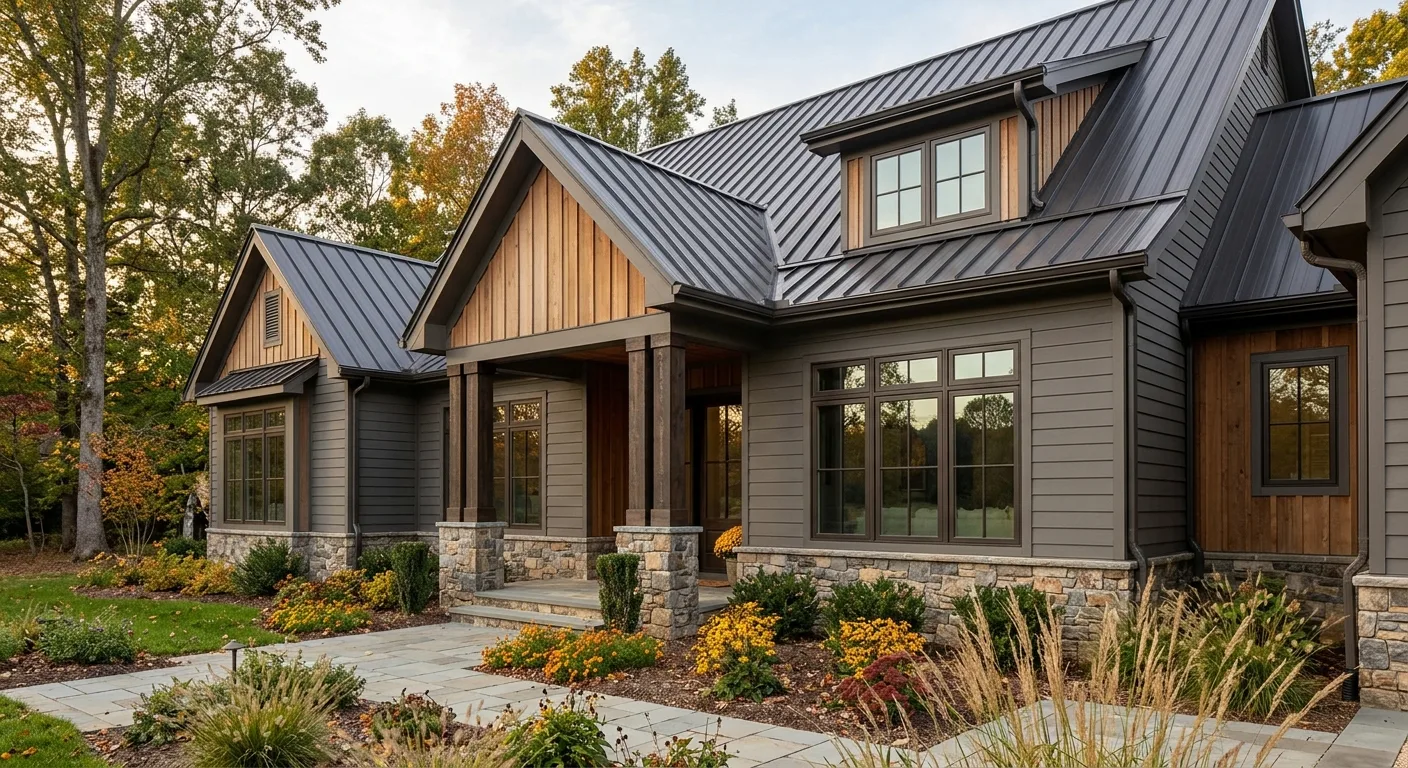
These aren't luxury add-ons. They're what separates a beautiful outdoor space from one that actually gets used. See our exterior renovation work for examples of how these elements come together in completed projects.