A sustainable remodeling project can significantly increase your home's energy efficiency, reducing utility costs while minimizing environmental impact. One of the most crucial aspects to consider is insulation. Proper insulation is essential for regulating home temperature, reducing the demand on heating and cooling systems year-round. Opting for eco-friendly insulation materials — recycled denim or sheep's wool rather than conventional fiberglass — delivers effective thermal performance while drawing on renewable resources. These choices matter whether you're doing a full kitchen renovation or refreshing a single room.
The benefits of sustainable remodeling extend beyond a simple facelift for your home. It is an investment in a better future. By adopting eco-friendly practices, you contribute to a reduction in environmental degradation while creating a healthier, more cost-effective living space. At Richmond Renovation Specialist LLC, we guide our clients through each step of this process, ensuring that sustainable choices are woven into every remodeling plan — not treated as an afterthought.
Windows and Natural Light
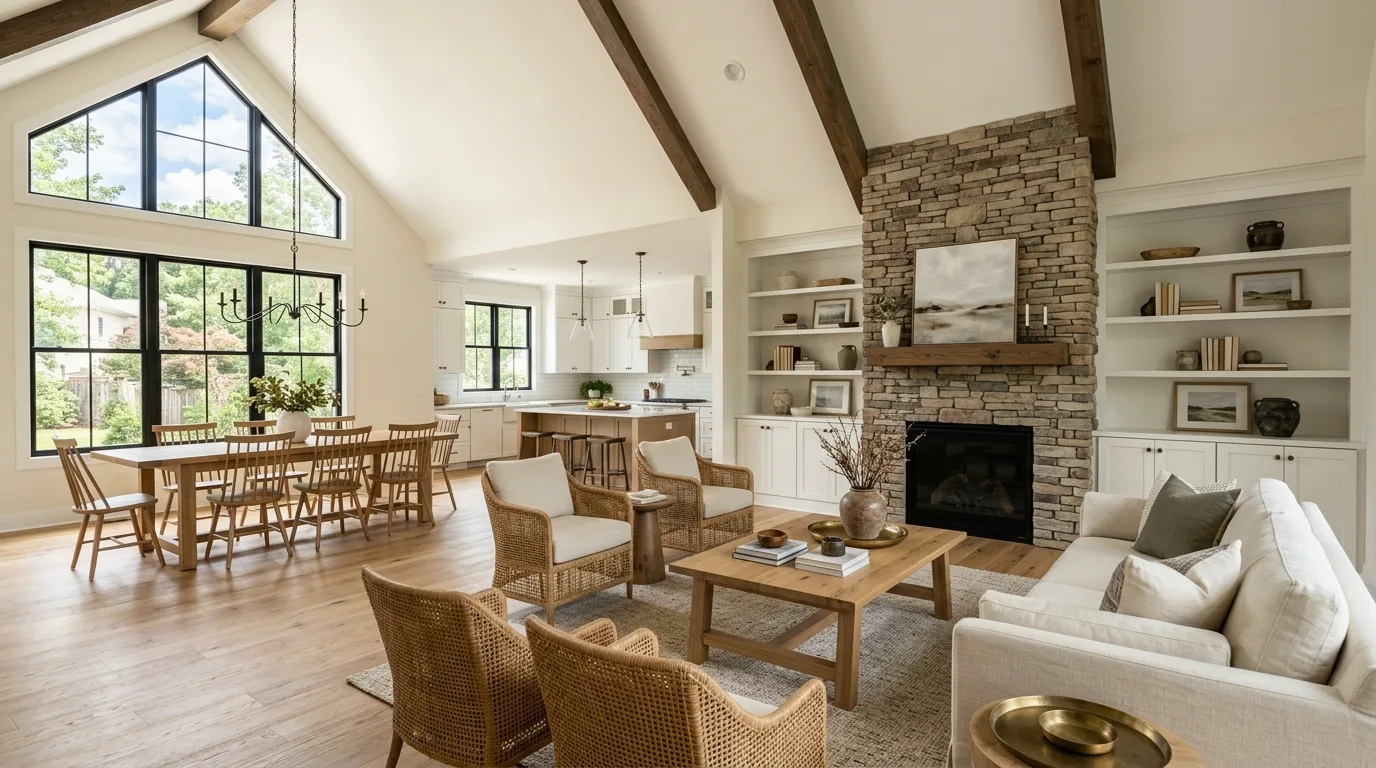
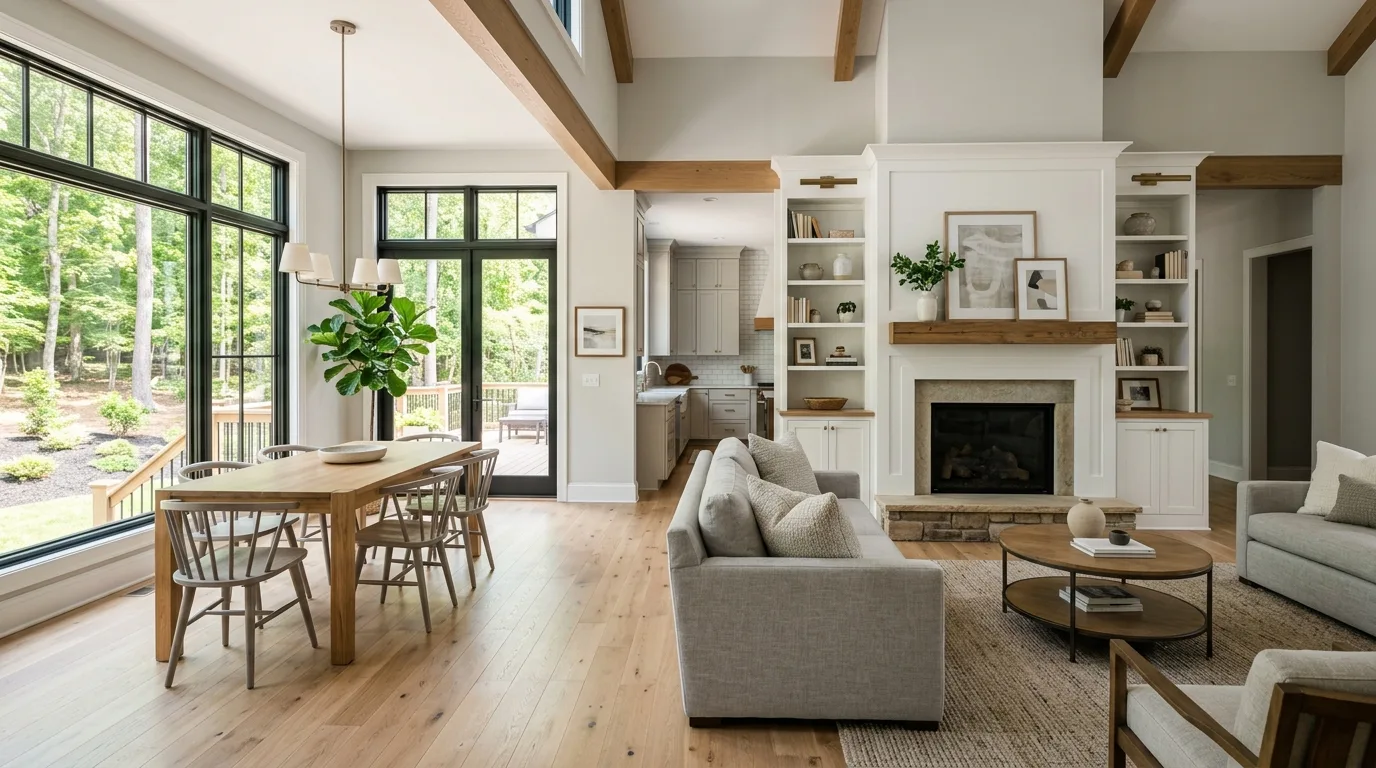
Upgrading windows is one of the most impactful changes a Richmond homeowner can make. Low-E glass and double-glazed windows reduce heat transfer, keeping homes cooler in Virginia summers and warmer through the winter months. They also reduce the load on your HVAC system, which compounds savings over time. When natural light is maximized through smart window placement, you rely less on artificial lighting throughout the day — a small shift that adds up across every season.
Flooring That Works With the Environment
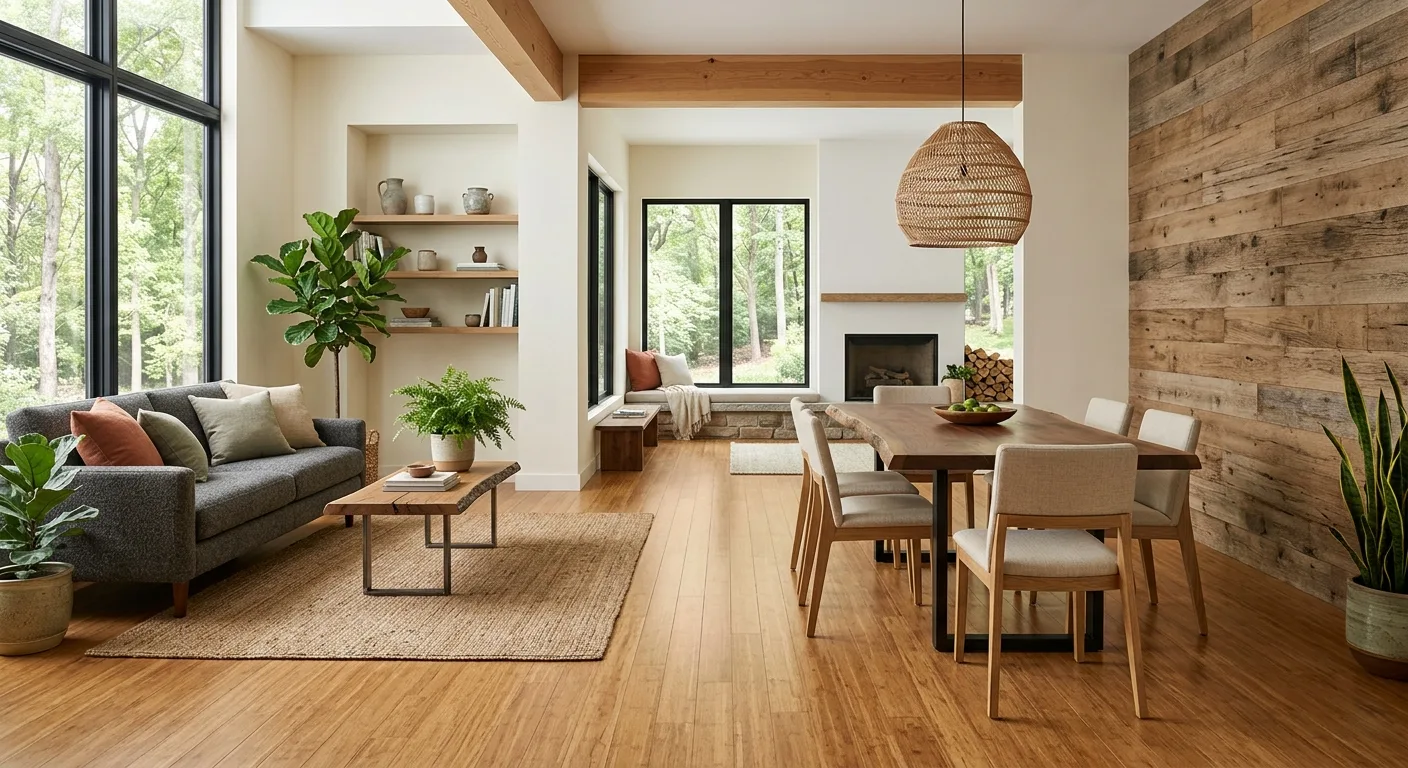
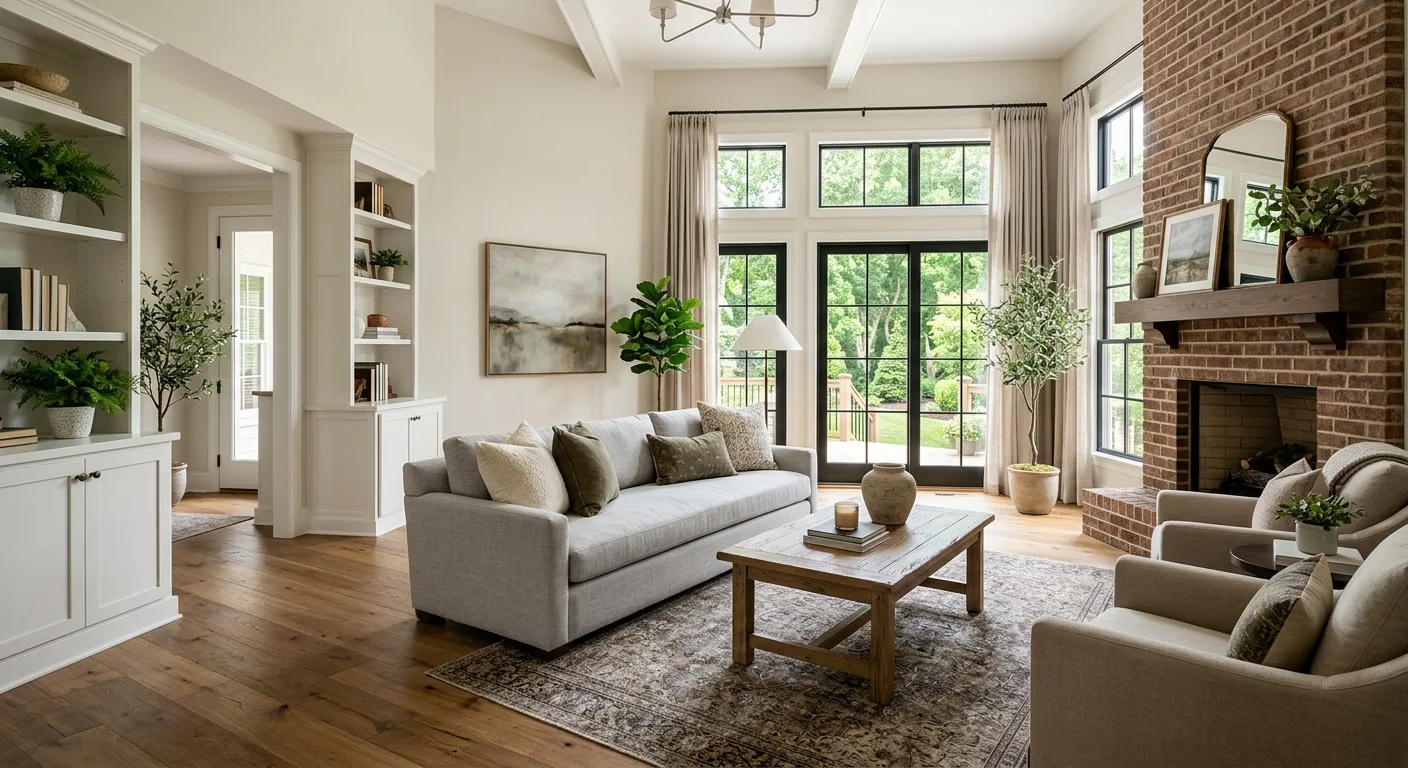
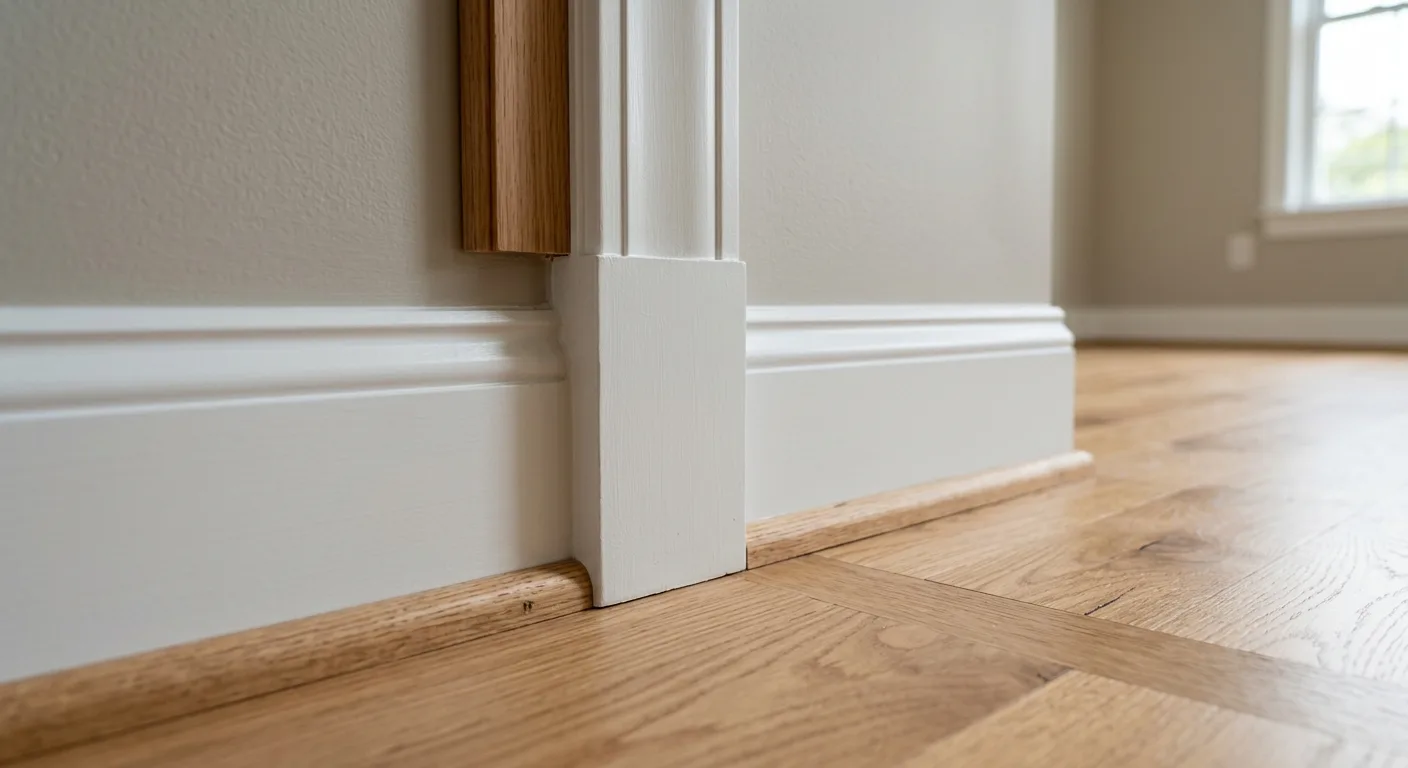
Richmond homeowners have a strong range of sustainable flooring choices available. Bamboo and cork are excellent alternatives to traditional hardwood — both are rapidly renewable, genuinely durable, and available in finishes that complement nearly any interior. For a more character-driven look, reclaimed wood offers timeless texture and requires no new timber to be harvested. Our flooring services include guidance on which material suits your home's traffic, humidity levels, and style — so you're not choosing blind.
Materials That Don't Compromise Indoor Air Quality
The materials used in remodeling carry real consequences for the air inside your home. Choosing paints, adhesives, and finishes with low or zero volatile organic compounds (VOCs) is one of the most straightforward ways to protect your family's health during and after any renovation. These products off-gas far less than conventional alternatives, and many now match them in durability and color range. If mold remediation is part of your project, pairing that work with low-VOC finishes ensures you're not reintroducing air quality concerns through the back door.
The Sustainable Kitchen
In the kitchen, sustainable remodeling comes together through a combination of material choices and fixture upgrades. Recycled countertops — made from glass, concrete, or composite materials — are not only environmentally responsible but often more visually distinctive than standard options. Water-efficient fixtures help conserve one of the region's most essential resources; low-flow faucets deliver the pressure you need without the waste. ENERGY STAR-certified appliances round out the picture, using significantly less electricity and water than older models without requiring any change in how you cook or clean.
Outdoor Spaces Done Right
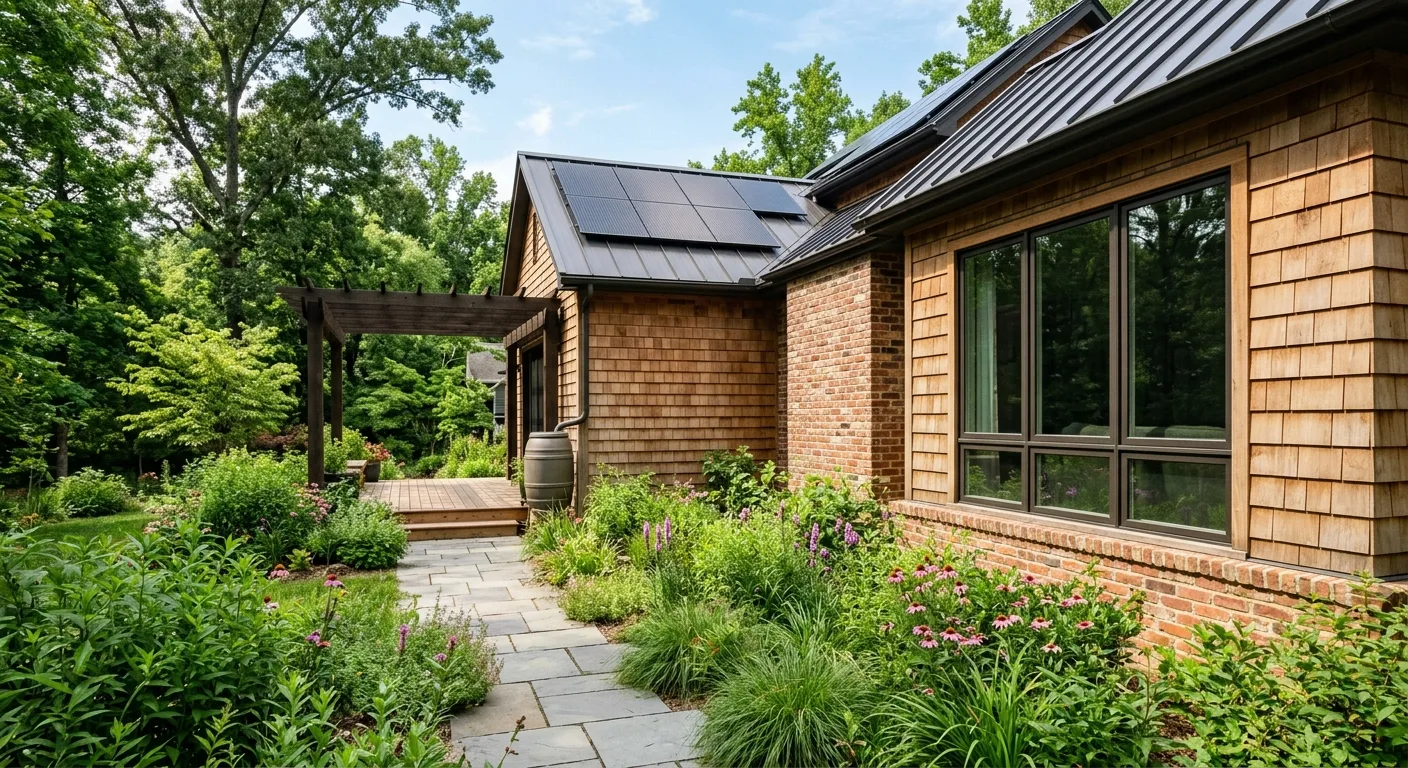
Sustainable thinking doesn't stop at the back door. Deck and patio materials have come a long way — composite decking made from recycled content holds up well in Virginia's climate without the chemical treatments required by pressure-treated wood. Permeable hardscaping options allow rainwater to absorb naturally rather than running off into storm drains. If you're planning an outdoor project, our deck and patio installation team can walk you through material options that balance longevity, appearance, and environmental impact.