Remodeling in Richmond is an opportunity most homeowners don't fully use. A renovation that only updates the look misses half the value on the table. Sustainable renovation addresses both: it improves how your home looks and how it performs, cutting utility costs year after year while reducing the environmental load of the project itself. Richmond Renovation Specialist LLC is fully insured and works with homeowners across the Richmond metro to plan and execute renovations that balance aesthetics, durability, and responsible material choices. If you're planning a remodel and want it done right the first time, call (804) 296-8417 for a free consultation.
Richmond's older housing stock, particularly neighborhoods built before the 1980s, presents both a challenge and an opportunity. Many of these homes have outdated insulation, drafty windows, and fixtures that waste water and energy every single day. Serving Richmond and surrounding communities, Richmond Renovation Specialist LLC brings the kind of local knowledge that matters: which materials hold up in Virginia's humid summers, where reclaimed materials source well in the region, and how to sequence a sustainable renovation so nothing gets undone by the next trade. From flooring choices to roofing upgrades, the goal is a home that costs less to run and lasts longer.
Choosing Materials That Reduce Waste and Add Real Character
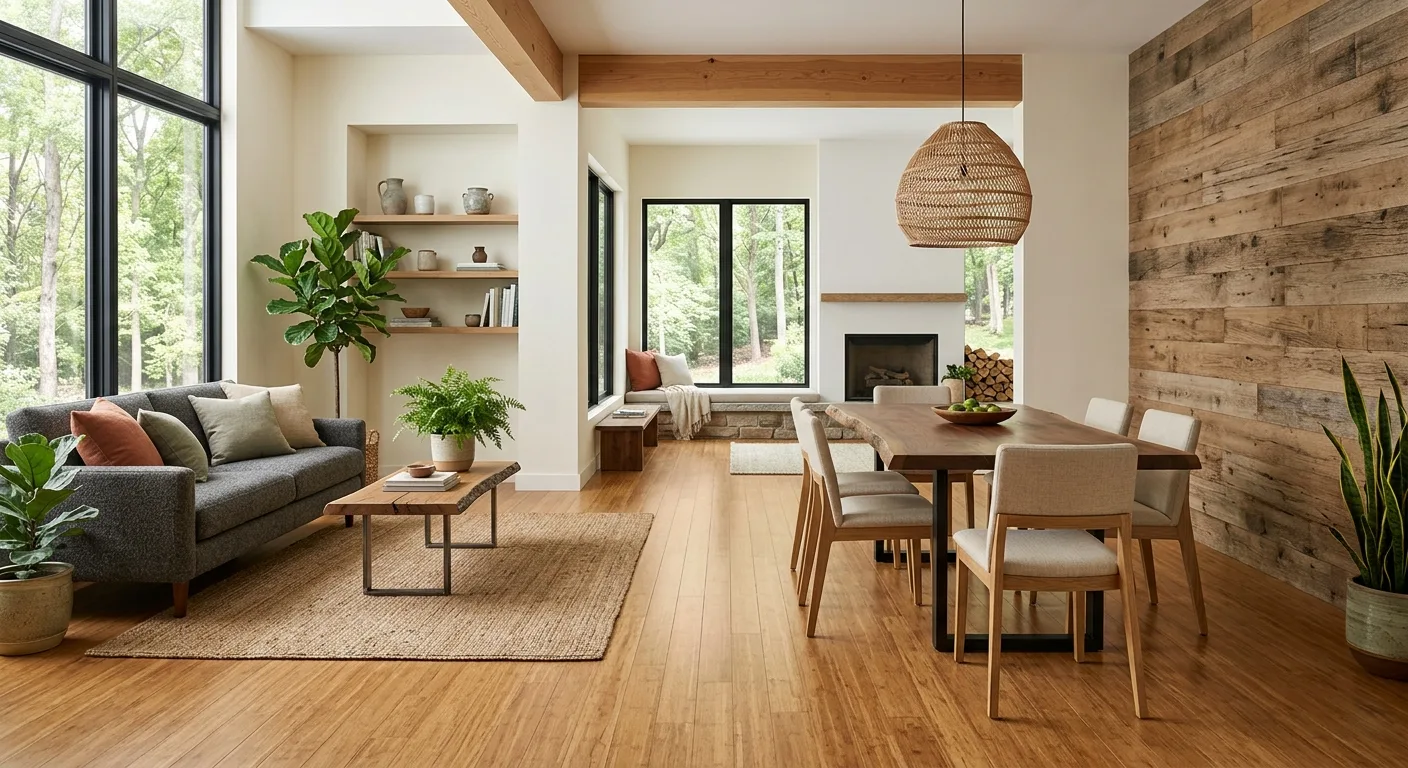
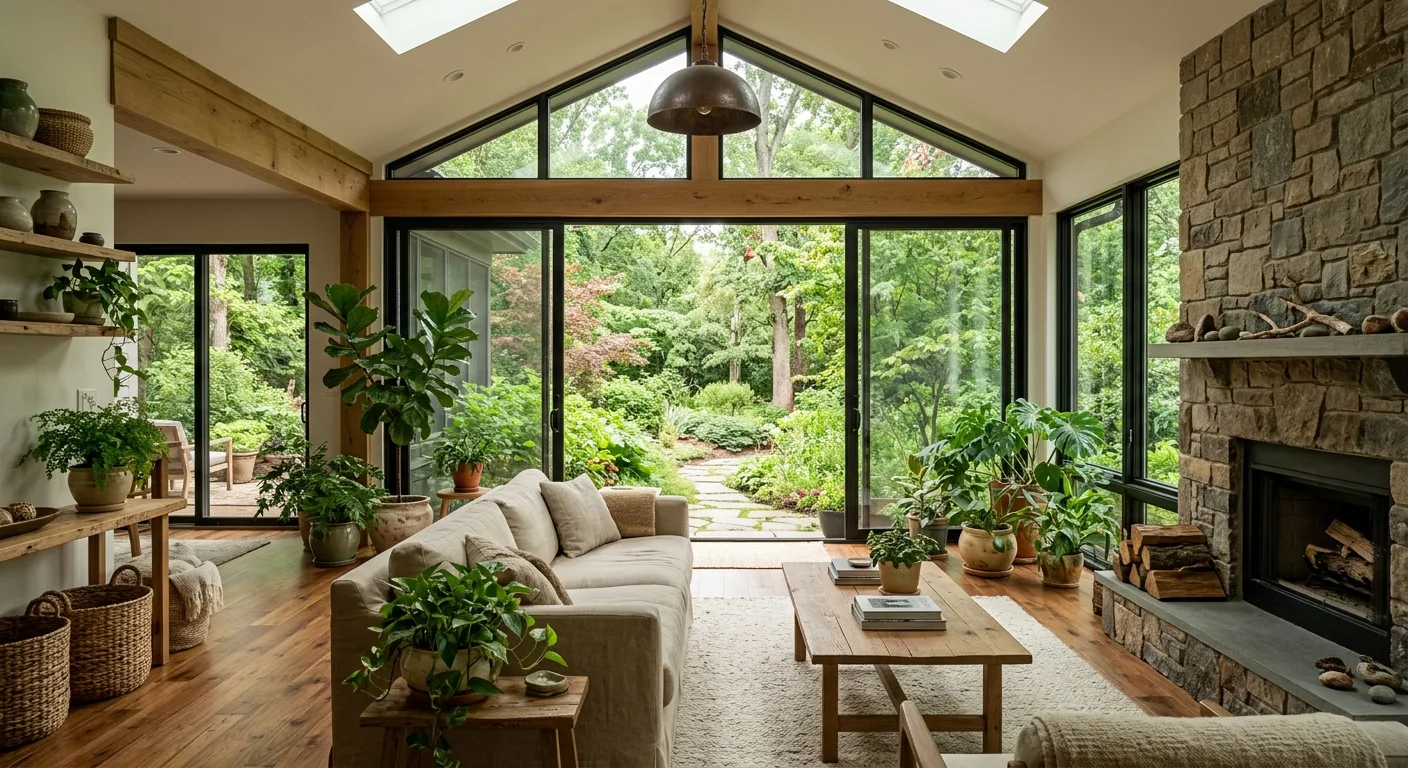
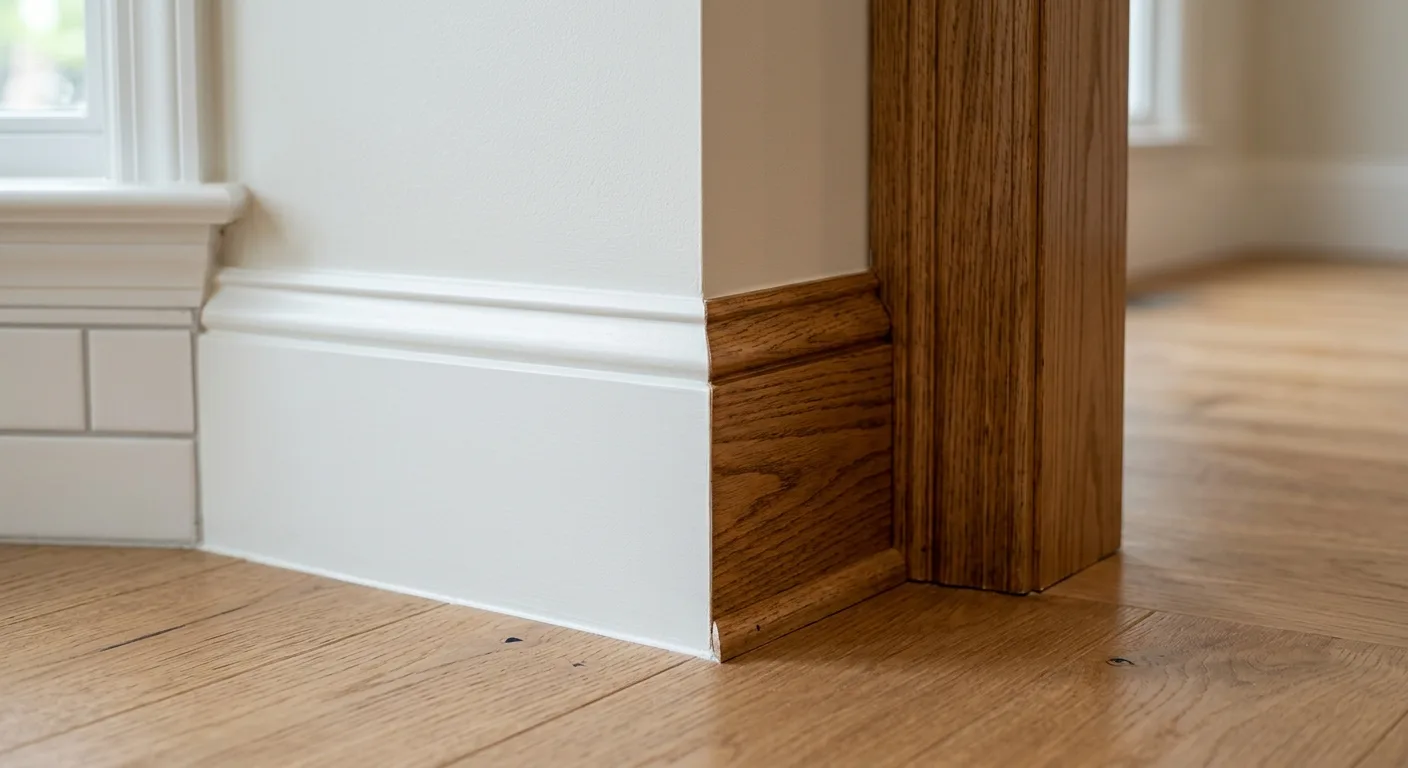
Selecting the right materials is where sustainable renovation starts, not where it ends. Reclaimed wood, recycled glass tile, and bamboo flooring are popular choices in Richmond for a reason: they reduce demand for newly manufactured goods, they carry character that factory materials can't replicate, and they perform. Bamboo, for instance, is harder than most domestic hardwoods and renews far faster. Recycled glass tile resists moisture, making it an excellent choice for Richmond bath renovations where humidity is a year-round factor. Opting for reclaimed wood in carpentry work, whether for built-ins, shelving, or trim, conserves resources while producing finishes that genuinely distinguish a home from its neighbors. The cheap option almost always costs more by the time you factor in replacement cycles.
Energy Upgrades That Pay Back Every Month
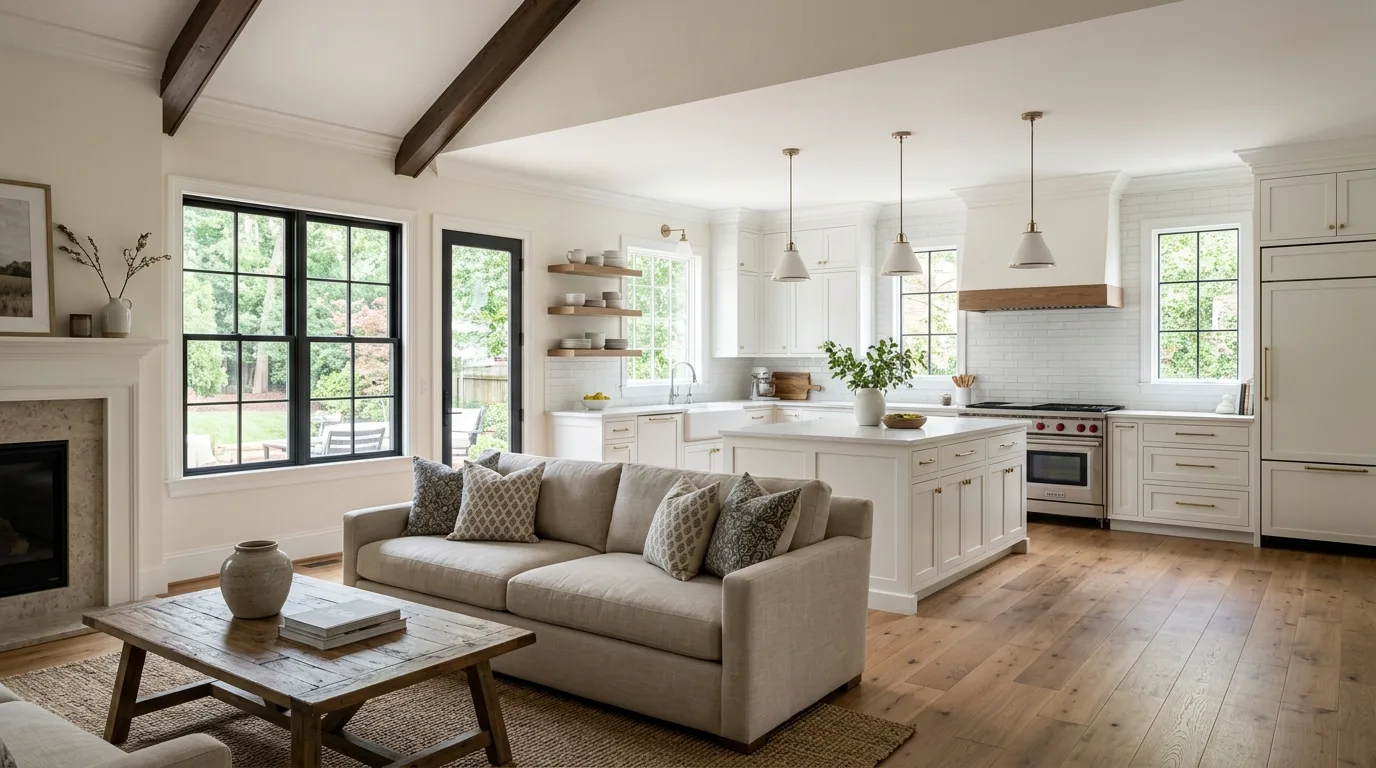
Incorporating energy-efficient upgrades into a Richmond renovation compounds the value of the project immediately. Switching to LED lighting throughout reduces energy consumption by 70 to 80 percent compared to incandescent fixtures, with bulbs that last a decade or more. Pairing that with energy-efficient appliances during a kitchen remodel creates measurable utility savings from the first billing cycle. Installing programmable or smart thermostats and high-performance windows pushes those savings further, which matters in Richmond where cooling loads run high from May through September. Every energy upgrade carries a dual return: lower operating costs month over month and a reduced carbon footprint over the life of the home. Evaluating solar potential is worth including in the planning conversation for any Richmond roof replacement or large-scale renovation.
Water Conservation Strategies Richmond Homeowners Can Act On
Water conservation in a Richmond renovation isn't complicated, but it does require deliberate specification. Installing low-flow fixtures in bathrooms and kitchens saves thousands of gallons annually without any reduction in performance. The fixtures have improved significantly; low-flow no longer means low pressure. Incorporating a rainwater collection system for landscape irrigation is a practical step for Richmond properties with any meaningful yard space, reducing reliance on municipal water for non-potable uses. Xeriscaping, the practice of replacing water-intensive landscaping with native plant species adapted to Virginia's rainfall patterns, goes further still. Native Virginia species like switchgrass, black-eyed Susan, and river oats thrive on local precipitation, eliminating irrigation almost entirely while supporting local pollinators. These choices reduce both the water bill and the environmental draw on the region's water supply.
Insulation and Finishes: Where Efficiency Meets Health
Proper insulation is one of the highest-return upgrades in any Richmond renovation. Upgraded insulation keeps a home cool through Virginia's humid summers and warm through its cold snaps, reducing the load on HVAC systems substantially. Cellulose and wool insulation are eco-conscious alternatives to conventional fiberglass: both perform well thermally, both carry lower embodied energy in their manufacturing, and wool in particular handles moisture vapor better than most synthetic options. Pairing upgraded insulation with low-VOC paint throughout the interior addresses indoor air quality directly. Conventional paints off-gas volatile organic compounds for months after application; low-VOC formulations eliminate that exposure for the occupants, which is especially relevant in Richmond homes where windows stay closed during peak heat. Finishing a renovation with low-VOC coatings protects both the environment and the people living inside.
What Can Be Repurposed Before Anything Gets Replaced
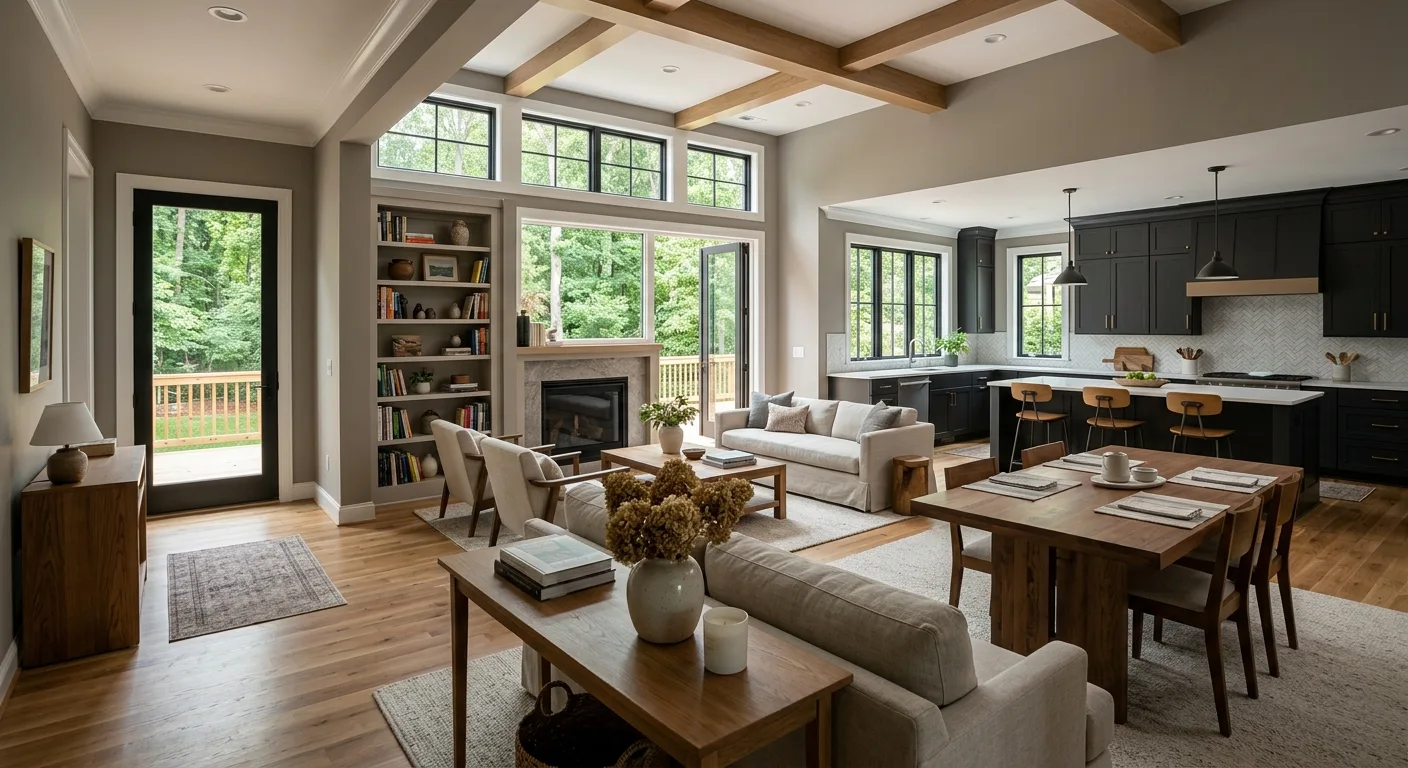
Sustainable renovation means asking a harder question before the demolition phase: what doesn't need to go? Existing materials can often be repurposed rather than discarded. Solid wood cabinetry stripped and refinished with low-VOC paint performs identically to new cabinetry at a fraction of the material cost. Original hardwood floors, even heavily worn ones, can often be sanded and refinished rather than torn out, preserving both character and resources. If mold remediation is part of the scope, addressing moisture at the source allows more of the surrounding structure to be saved rather than replaced wholesale. We don't recommend a full gut renovation when targeted repairs will do the job. Reducing waste at the source is the most sustainable move of all, and it often produces a better outcome than starting from scratch.
Richmond Renovation Projects: What a Sustainable Scope Looks Like
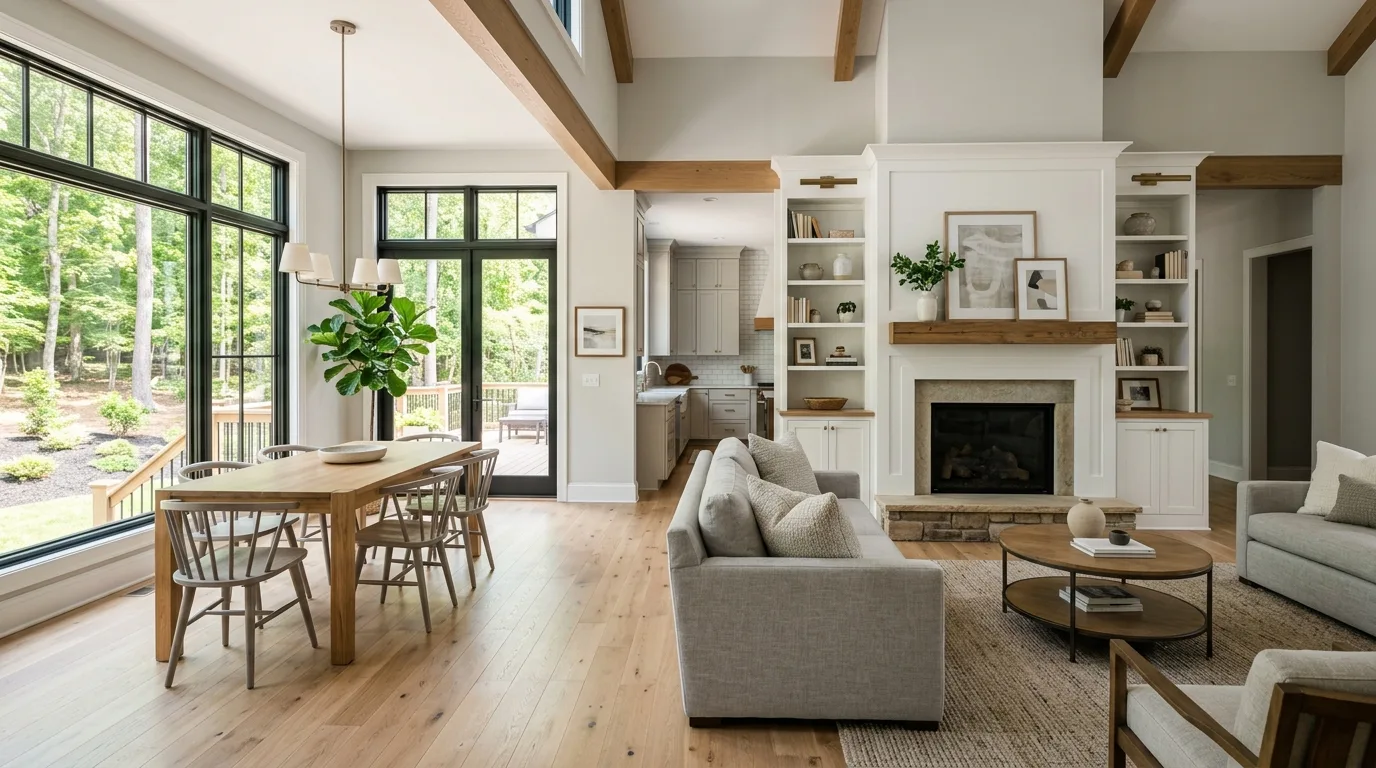
A sustainable renovation in Richmond typically touches several systems in one project: material selection, energy efficiency, water use, insulation, and finishing. Richmond Renovation Specialist LLC handles all of these under one roof, which matters more than most homeowners realize. Coordinating a sustainable renovation across multiple contractors means specifications get lost between trades. One contractor, one point of accountability, and one contractor who knows what was specified in every phase. See examples of completed exterior and interior work in our exterior renovations gallery. For Richmond homeowners ready to start planning, the free consultation is where the conversation begins.
Sustainable Renovation FAQs for Richmond Homeowners
What sustainable materials work best in Richmond's humid climate?
Richmond's humidity demands materials that handle moisture without degrading. Bamboo flooring performs well because of its density and dimensional stability. Recycled glass tile is non-porous and won't harbor mold in bathrooms. Reclaimed wood used in interior carpentry should be properly acclimated to Richmond's humidity levels before installation. Cellulose insulation, which handles vapor better than fiberglass batts, is a strong choice for Richmond walls and attics. Low-VOC finishes dry properly in humid conditions without trapping off-gassing vapors inside the home.
How much can energy-efficient upgrades save on Richmond utility bills?
Richmond's Dominion Energy service area sees average residential electricity bills that climb significantly during summer cooling months. Switching to LED lighting throughout a home typically reduces lighting-related energy use by 70 to 80 percent. High-performance windows can reduce HVAC load by 25 to 30 percent in homes with original single-pane glass, which is common in Richmond's pre-1980 housing stock. Every job is different. Contact Richmond Renovation Specialist LLC for an accurate estimate on the upgrades that will deliver the best return for your specific property.
Is xeriscaping practical for Richmond yards, or is it too dry a method for Virginia?
Xeriscaping is well-suited to Richmond. It doesn't mean a desert landscape; it means selecting plants adapted to local conditions so irrigation becomes minimal or unnecessary. Virginia native species like switchgrass, Virginia bluebells, and coneflower thrive on Richmond's natural rainfall and actually perform better in the region's clay-heavy soils than imported ornamentals. Xeriscaping reduces water bills, eliminates irrigation system maintenance, and supports local pollinator populations. It pairs naturally with rainwater collection systems if supplemental watering is needed during dry stretches.
Can Richmond's older homes support solar panels as part of a renovation?
Many Richmond homes built in the mid-20th century have roof structures capable of supporting solar arrays, but a thorough assessment is required before installation. The evaluation covers roof age and remaining life, structural load capacity, orientation and shading, and local utility interconnection requirements with Dominion Energy. Combining a roof replacement with solar installation is often the most cost-effective sequence. Richmond Renovation Specialist LLC can assess roof condition and scope a replacement as part of the broader sustainable renovation plan. Call (804) 296-8417 to schedule that conversation.
Does sustainable renovation cost more upfront in Richmond than a conventional remodel?
Some sustainable materials carry a higher upfront cost than their conventional alternatives. Wool insulation costs more than fiberglass. Reclaimed wood sourcing adds time to the procurement phase. That said, the cost gap has narrowed significantly as demand for these materials has grown across the Richmond market. More importantly, the lifecycle math favors sustainable choices: lower utility bills, longer material lifespans, and reduced maintenance intervals offset the initial premium within a few years in most Richmond projects. Every job is different. Contact Richmond Renovation Specialist LLC for an accurate estimate tailored to your scope.