Richmond's heritage homes — Victorian, Georgian, Federal — carry a story in every molding and mantelpiece. Renovating one means holding two things in tension at once: honoring what the original builders built and making the home genuinely livable for the people inside it today. Richmond Renovation Specialist LLC has worked on enough of these projects to know that the tension is real, and that getting it right starts well before a single wall comes down.
This guide walks through the renovation decisions that matter most in historic Richmond homes, from reading the architecture to retrofitting modern systems without erasing what makes the house worth saving.
Know Your Home's Architectural Language
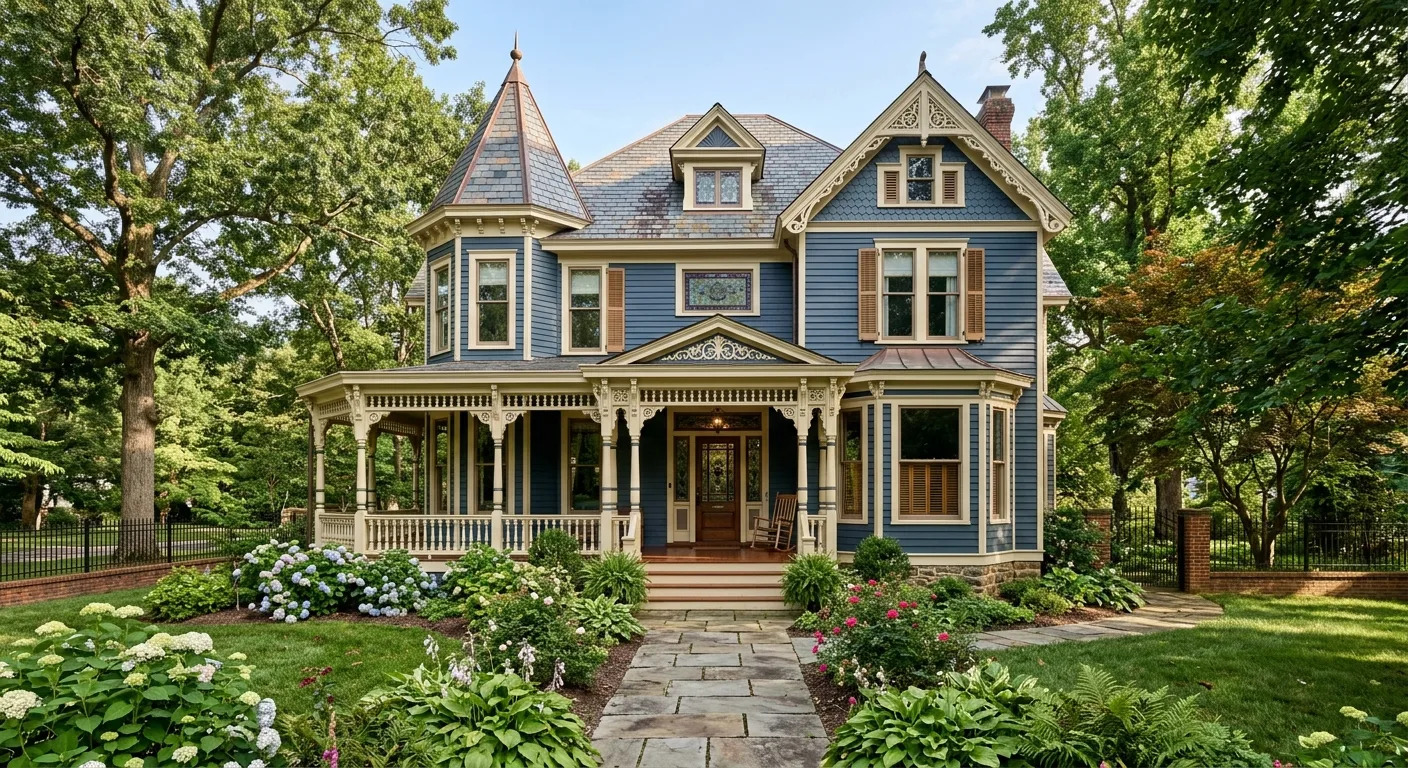
The heart of any renovation is understanding the unique style of your heritage home. Victorian, Georgian, and Federal homes each have their own vocabulary — proportions, ornament, and material choices that are specific to the period and to Richmond's building traditions. Before any work begins, examine which architectural elements can be restored rather than replaced. Moldings, fireplaces, transoms, and stained glass are often worth preserving even when they require significant repair work. Richmond Renovation Specialist LLC recommends consulting with a local historian or an architect familiar with historical properties before committing to a scope of work. That early conversation almost always saves money and prevents decisions that are difficult to undo.
Protecting the Façade
Preserving the exterior should be a top priority — the façade contributes more to a home's character than almost anything inside it. Worn brick can often be repaired rather than replaced, and repointing masonry using techniques that reflect the original construction keeps the visual continuity intact. Detailed woodwork along eaves, porches, and window surrounds deserves the same care. Modern technology now makes it possible to accurately match historic paint colors and source materials that align with what was originally used. When the exterior is handled well, the home reads as genuinely historic rather than restored-to-look-historic. Our exterior renovation work follows this same principle — repair first, replace only when necessary.
Retrofitting Modern Systems Without Disrupting the Bones
Inside, upgrading a heritage home's systems requires more planning than a standard renovation, but the results are worth it. Energy-efficient insulation can be integrated into existing wall cavities without altering the interior profile. Window treatments designed to mimic period styles can dramatically improve thermal performance. Underfloor heating is particularly well-suited to historic homes where adding visible radiators or ductwork would compete with the architecture. These systems improve daily comfort while leaving the rooms looking exactly as they should. If you're considering HVAC upgrades alongside a larger renovation project, our HVAC services can be scoped to work within the constraints of an older home's structure.
Kitchens and Bathrooms: Where Modern and Historic Meet Most Directly
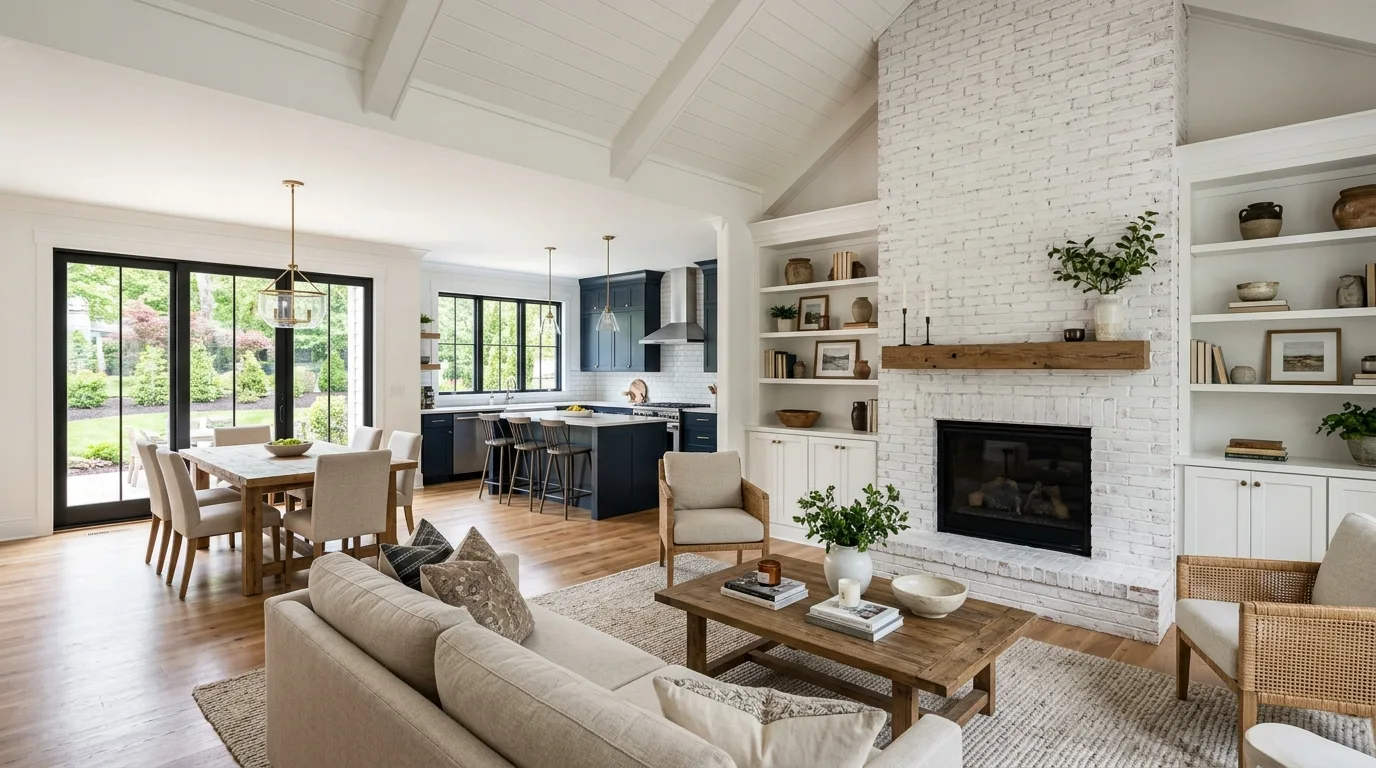
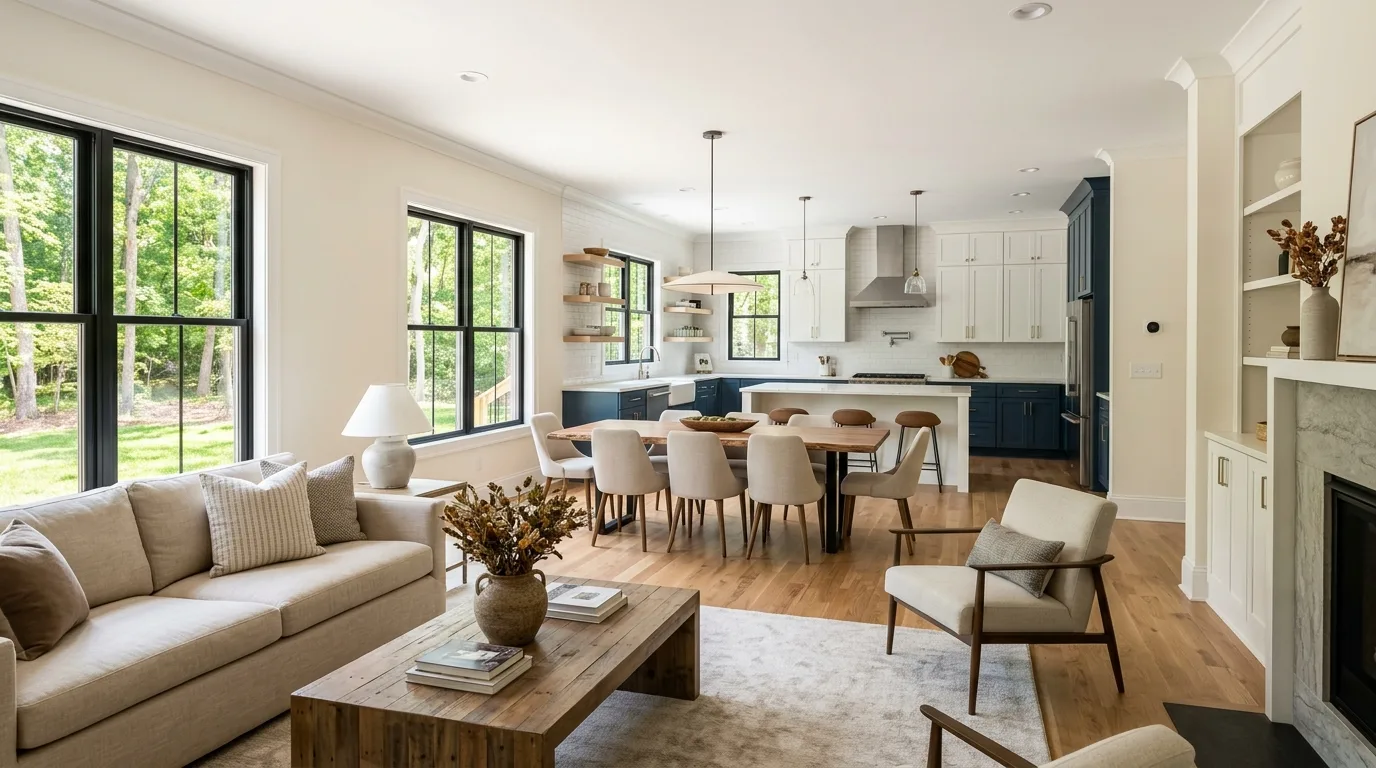
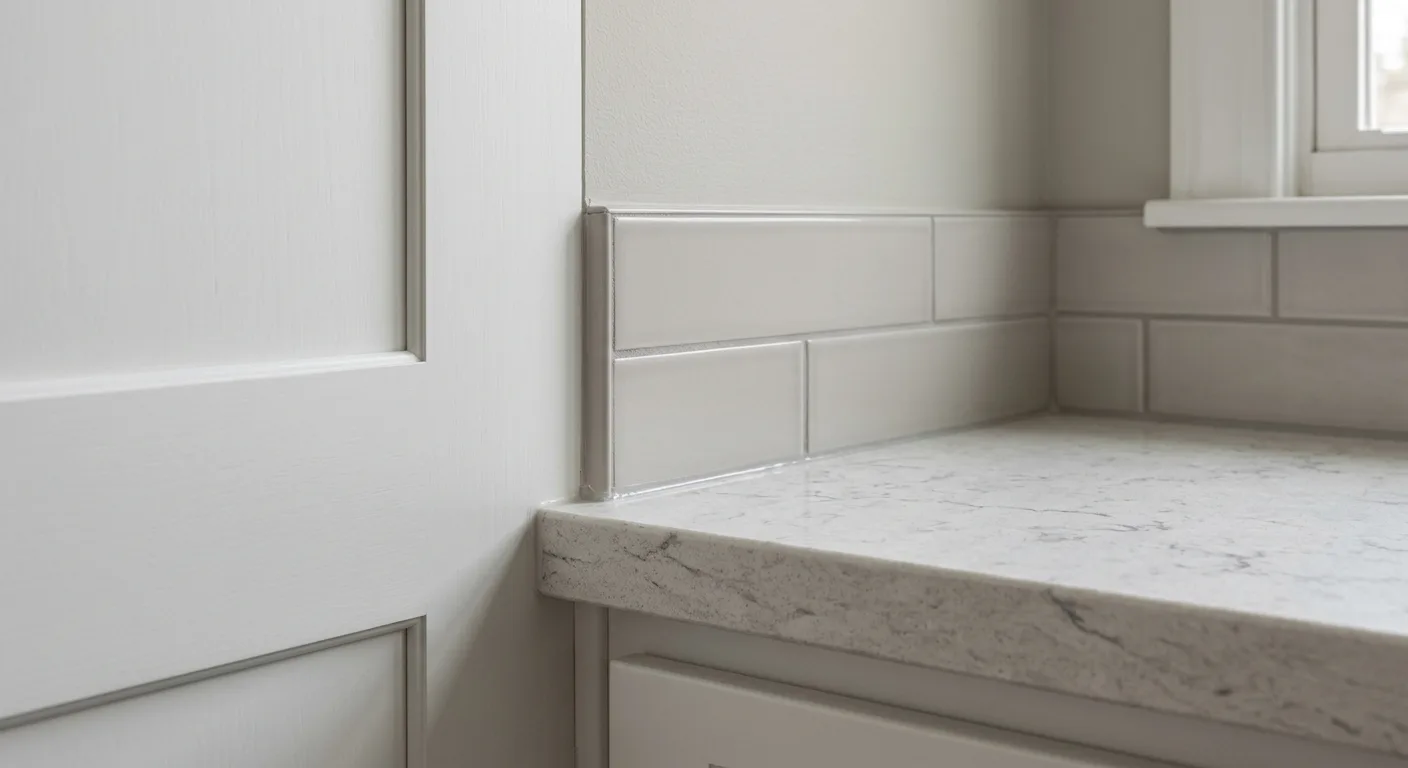
The kitchen and bathroom are where the tension between historical character and modern function is felt most acutely. Both spaces can be designed to reflect contemporary needs while keeping traditional aesthetics intact. In kitchens, custom carpentry allows cabinetry to complement the home's architectural style — modern appliances can be integrated within classic design frameworks so they don't read as afterthoughts. In bathrooms, clawfoot tubs and pedestal sinks marry vintage allure with modern functionality, particularly when paired with energy-efficient plumbing fixtures. The goal in both rooms is the same: the space should feel as though it always belonged in the house.
Flooring in a Historic Home
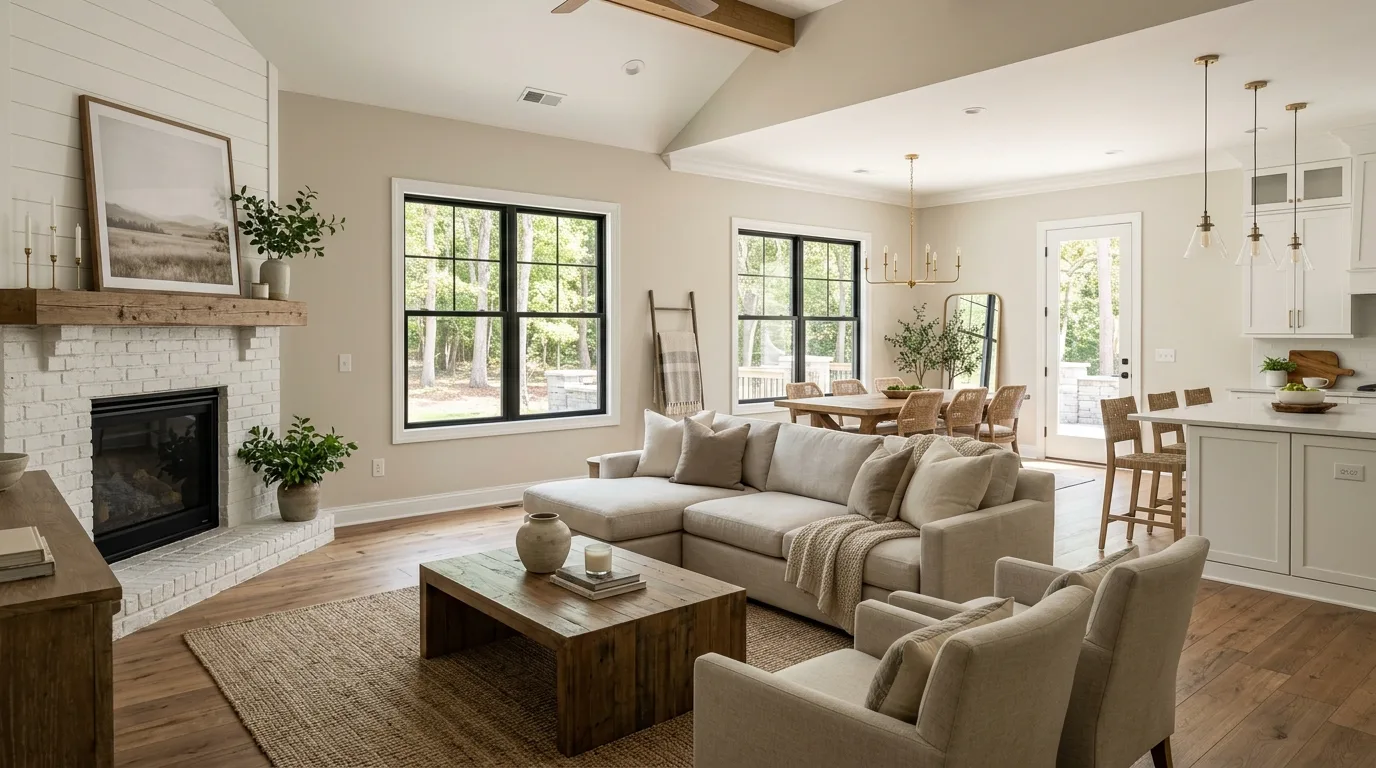
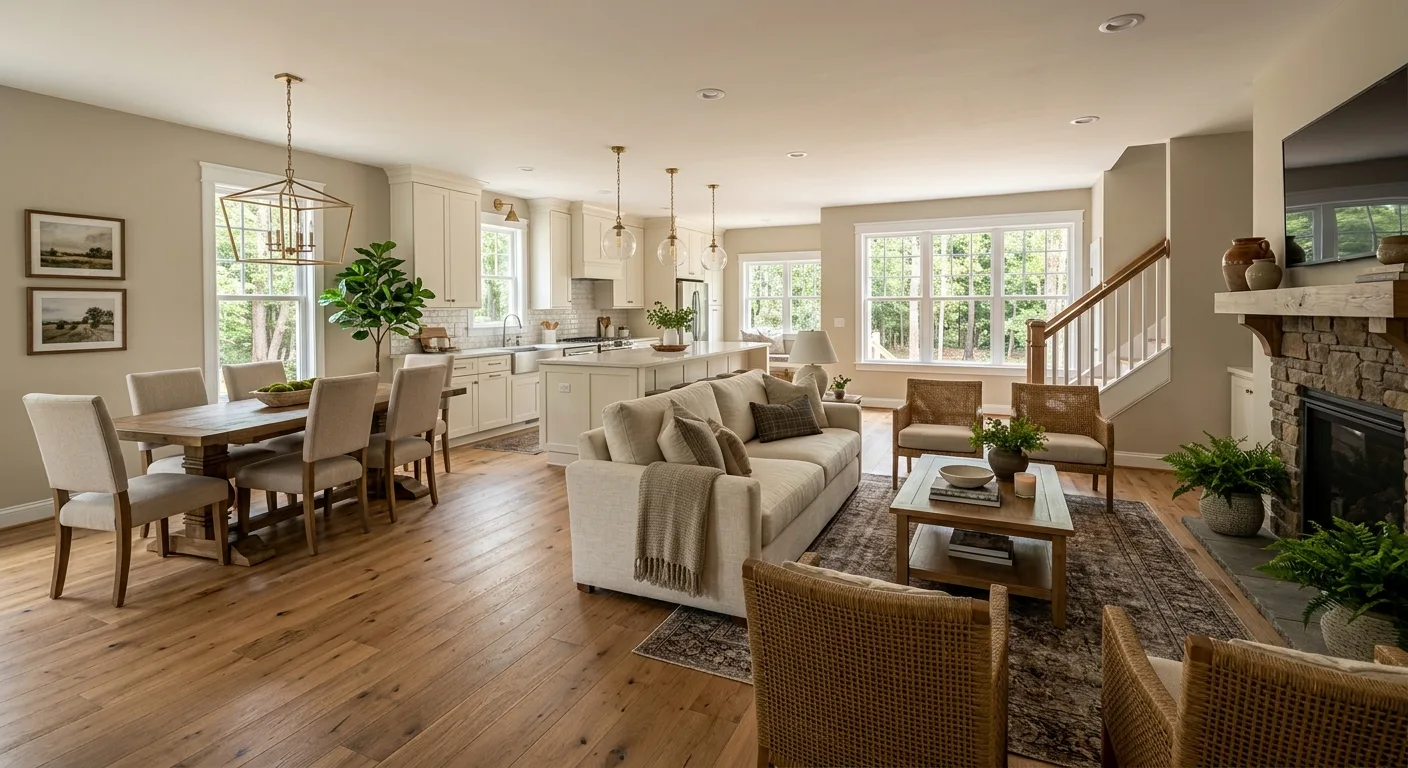
Original hardwood floors are one of the most valuable features a heritage home can have — wide-plank heart pine or oak floors from the early twentieth century are simply not replicated in new construction. Where original flooring survives, restoration is almost always preferable to replacement. Where it doesn't, selecting materials that are period-appropriate matters. Engineered hardwood and carefully chosen flooring options can complement historic interiors without looking out of place, provided the color range, plank width, and finish are matched to the home's era.
The Landscape as Part of the Story
Every heritage home renovation should consider what surrounds the structure, not just what's inside it. Heritage homes benefit from gardens and outdoor spaces that reinforce rather than undercut their historical setting. Traditional plantings, period-appropriate garden structures, and materials that echo the home's exterior all contribute to a cohesive result. If your renovation includes expanding outdoor living space, a deck or patio installation can be designed with materials and proportions that complement a historic home's character rather than clash with it.