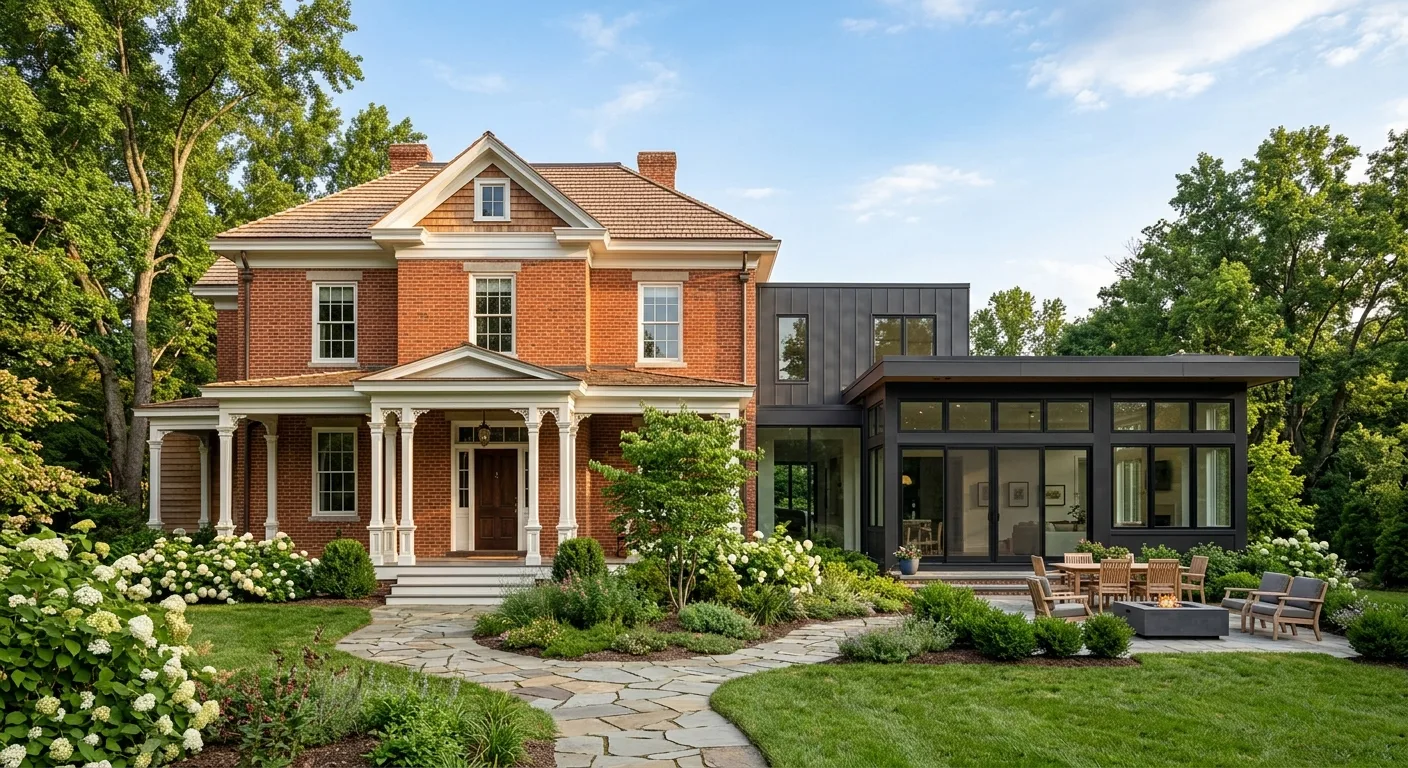
Richmond, Virginia, is a city steeped in history, where cobblestone streets intertwine with the echoes of significant eras gone by. Yet as urban development and modernization forge ahead, the desire to meld Richmond's historic charm with contemporary design has never been more prevalent. Richmond Renovation Specialist LLC stands at the forefront of this movement, helping homeowners achieve a harmonious blend that respects the city's storied past while embracing the comforts and innovations of the present.
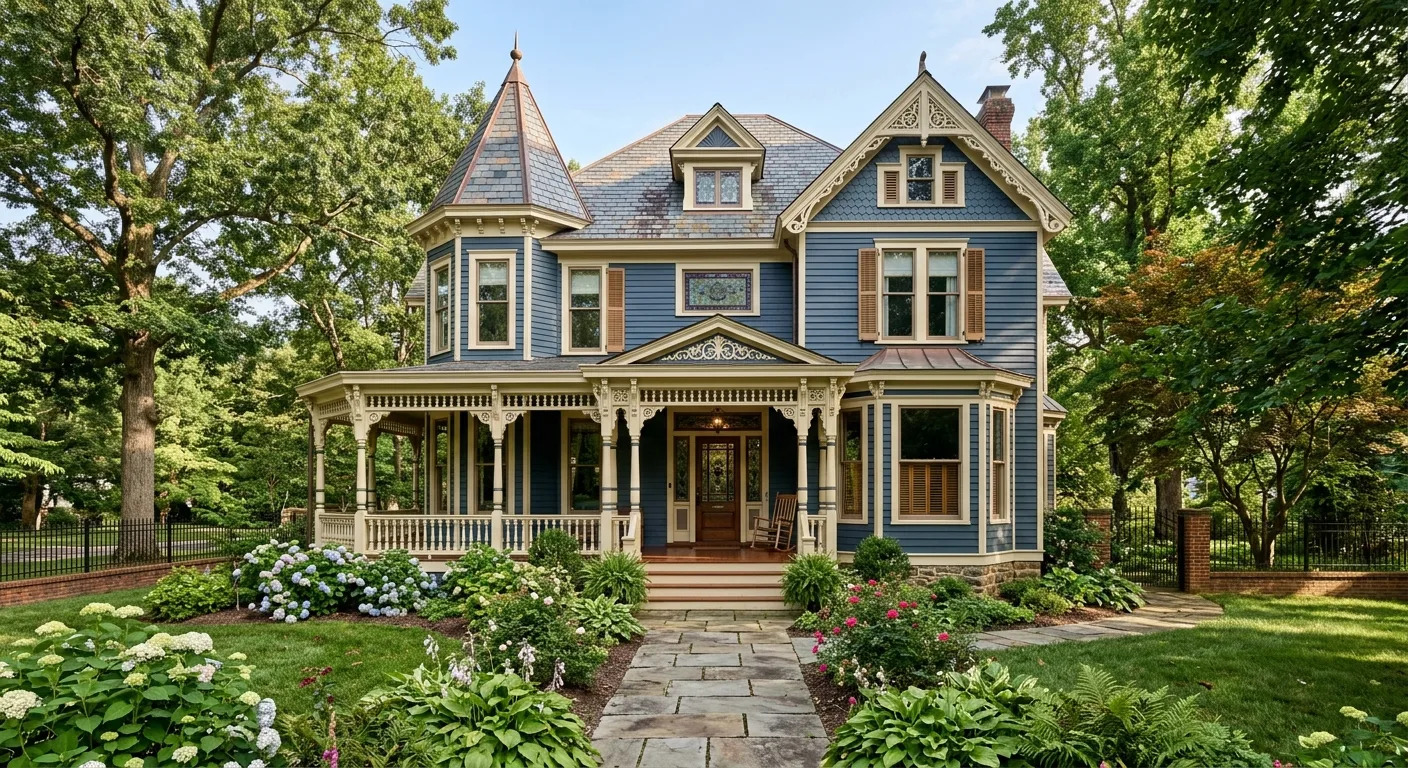
Understanding the unique character of Richmond's architecture is crucial. From the stately Federal-style homes that line Monument Avenue to the quaint Italianate houses of Church Hill, Richmond's buildings narrate tales of times past. This architectural diversity is what makes each renovation project a singular opportunity to preserve history while implementing modern functionality — and it demands a contractor with the skill to honor both.
Preserving What Makes Richmond Homes Irreplaceable
When embarking on a renovation in an older Richmond home, the first step is identifying the features that define its historic character. Elements such as intricate crown moldings, original wood flooring, and period-specific fireplaces are not merely decorative — they are the architectural memory of the house. Richmond Renovation Specialist LLC advises homeowners to protect and restore these original details wherever possible, rather than covering them over in the name of modernization. Our carpentry team specializes in exactly this kind of preservation work, repairing and recreating period-appropriate millwork that carries the same weight as the original. These elements, properly maintained, contribute more to a home's value and character than almost any cosmetic update could.
Choosing a Color Palette That Bridges Two Eras
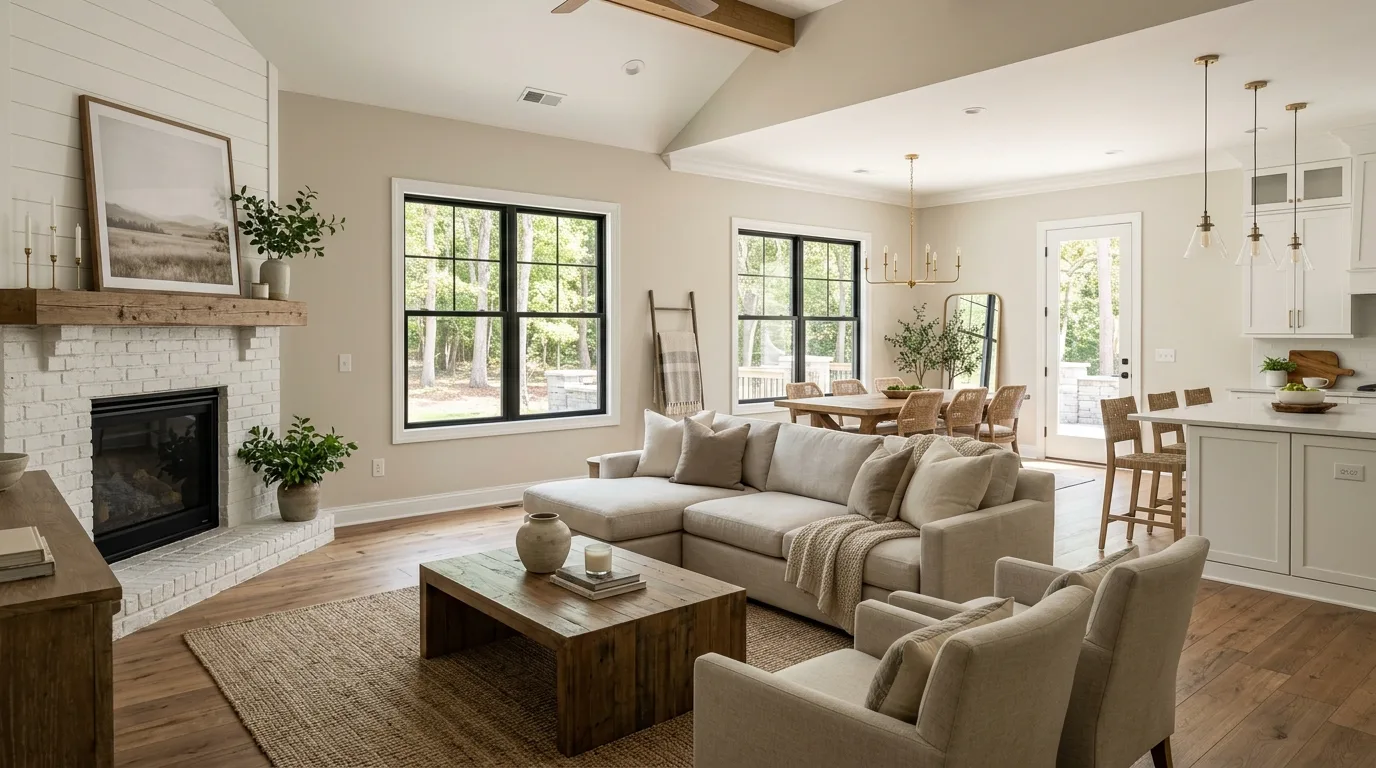
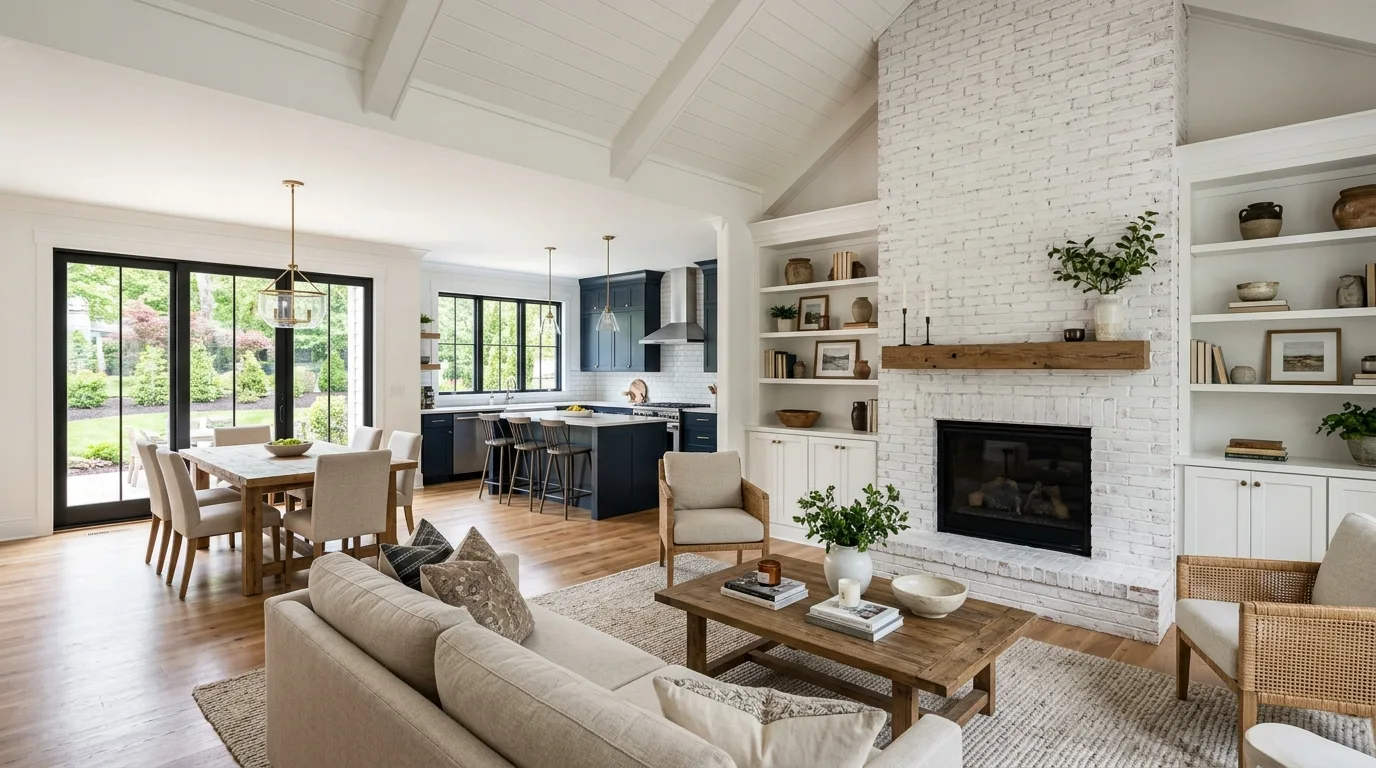
Color plays a decisive role in uniting the past with the present. Richmond homes have traditionally worn rich, warm tones — deep ochres, brick reds, and forest greens that reflected the materials and sensibilities of their construction era. A thoughtful modern renovation doesn't abandon that warmth; it reinterprets it. Neutral shades that complement original features while introducing a fresh sensibility tend to work best. Soft greys, muted blues, and creamy whites can form a serene backdrop that allows both historic details and contemporary furnishings to read clearly. The goal is a palette that feels deliberate, not like a compromise between two opposing aesthetics.
Furnishings and Decor: Timeless Pieces, Contemporary Finishes
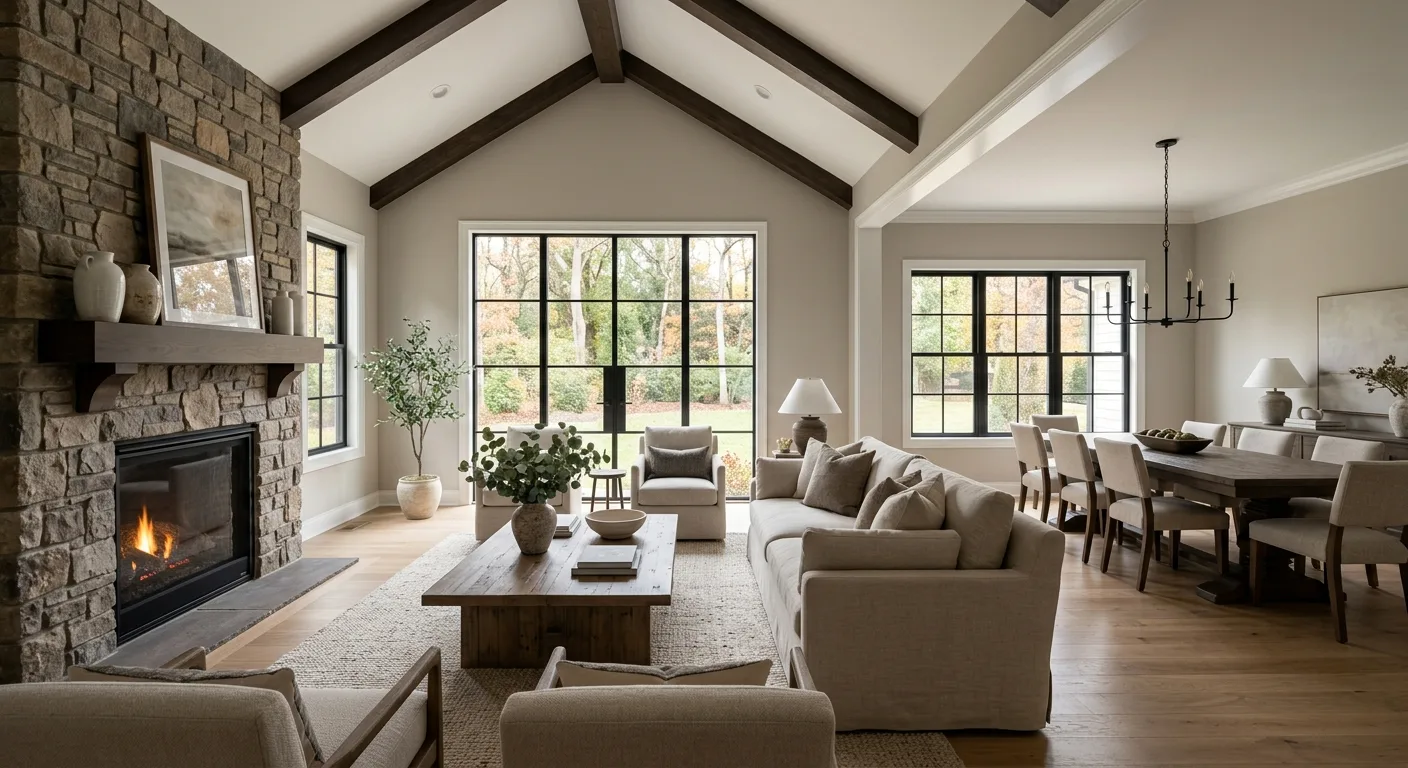
Incorporating furniture and decor that resonates with a home's era — while updating it in contemporary textures or finishes — is one of the more nuanced aspects of this work. A Chesterfield sofa in a linen fabric reads differently than one in velvet; the silhouette is period-appropriate, but the material feels current. This same logic applies to light fixtures, hardware, and textiles throughout the home. The aim is a cohesive aesthetic that feels both timeless and lived-in, rather than a museum recreation or a generic modern interior. For homeowners undertaking larger-scale projects, reviewing past project work can offer a concrete sense of how these decisions come together across full renovations.
Integrating Modern Systems Without Disrupting Historic Fabric
Sleek, energy-efficient appliances and smart home systems can be integrated into historic Richmond homes without compromising their architectural integrity — but it requires careful planning. Concealed wiring, in-wall speaker systems, and panel-ready appliances that disappear behind cabinetry fronts are all approaches that deliver modern convenience while preserving visual continuity. Strategic lighting design is particularly effective: recessed fixtures in ceiling coffers, under-cabinet lighting in kitchens, and carefully placed sconces can dramatically update the feel of a space without touching a single historic surface. For homes with moisture issues common in older Virginia construction, addressing mold remediation before finishing work begins protects both the investment and the historic materials being preserved.
Sustainable Choices That Respect the Building and the Environment
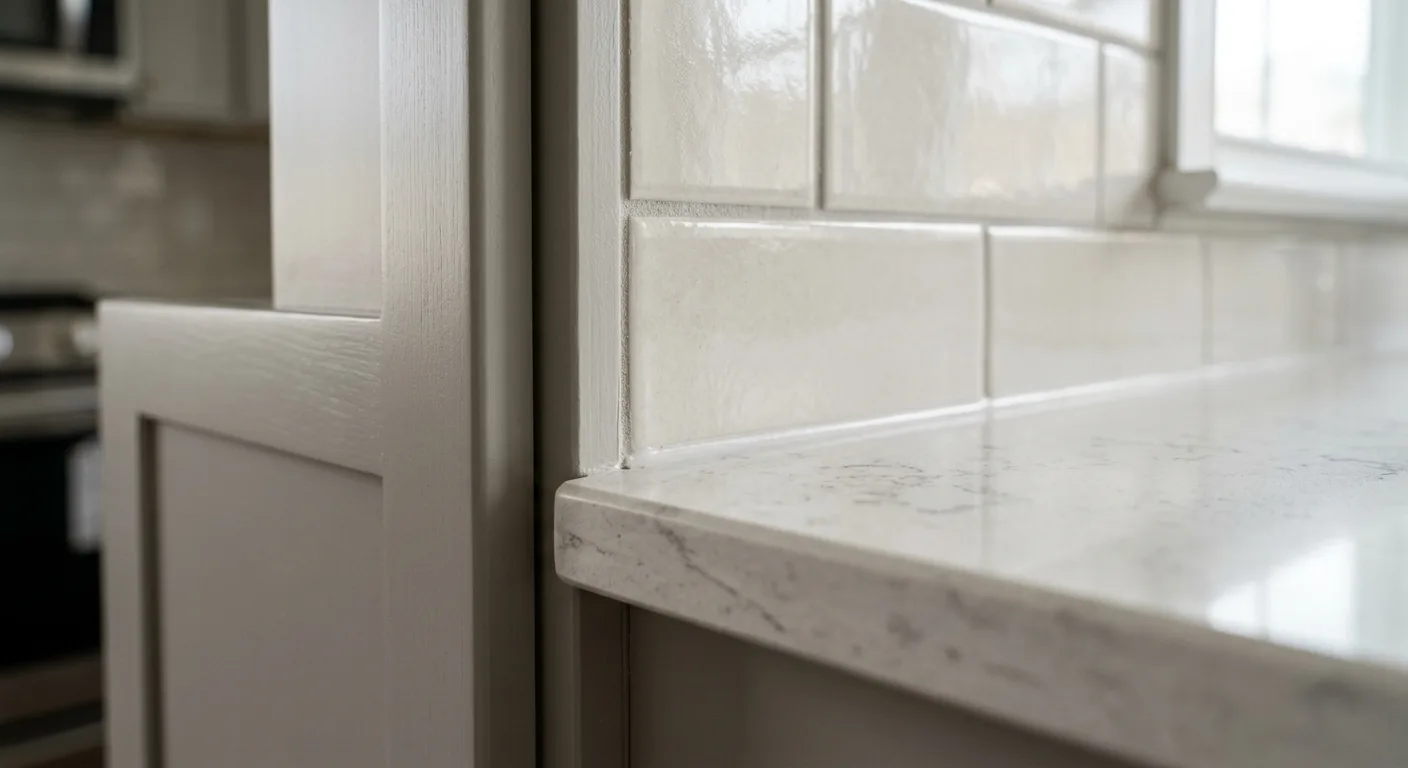
Renovation decisions carry environmental weight, and that consideration fits naturally into a preservation mindset. Choosing sustainable materials — reclaimed wood flooring, low-VOC paints, or responsibly sourced hardwoods — extends the philosophy of stewardship already embedded in historic renovation work. Energy-efficient windows, when selected to match the original sash profile and divided-light pattern of a Richmond home, can dramatically reduce utility costs without altering the exterior character. Similarly, updated flooring choices like engineered hardwood or period-appropriate tile can replicate the look of original materials while outperforming them in durability and moisture resistance. These are not compromises — they're improvements that serve the home for the next century the same way the original materials served the last one.